Song Meaning
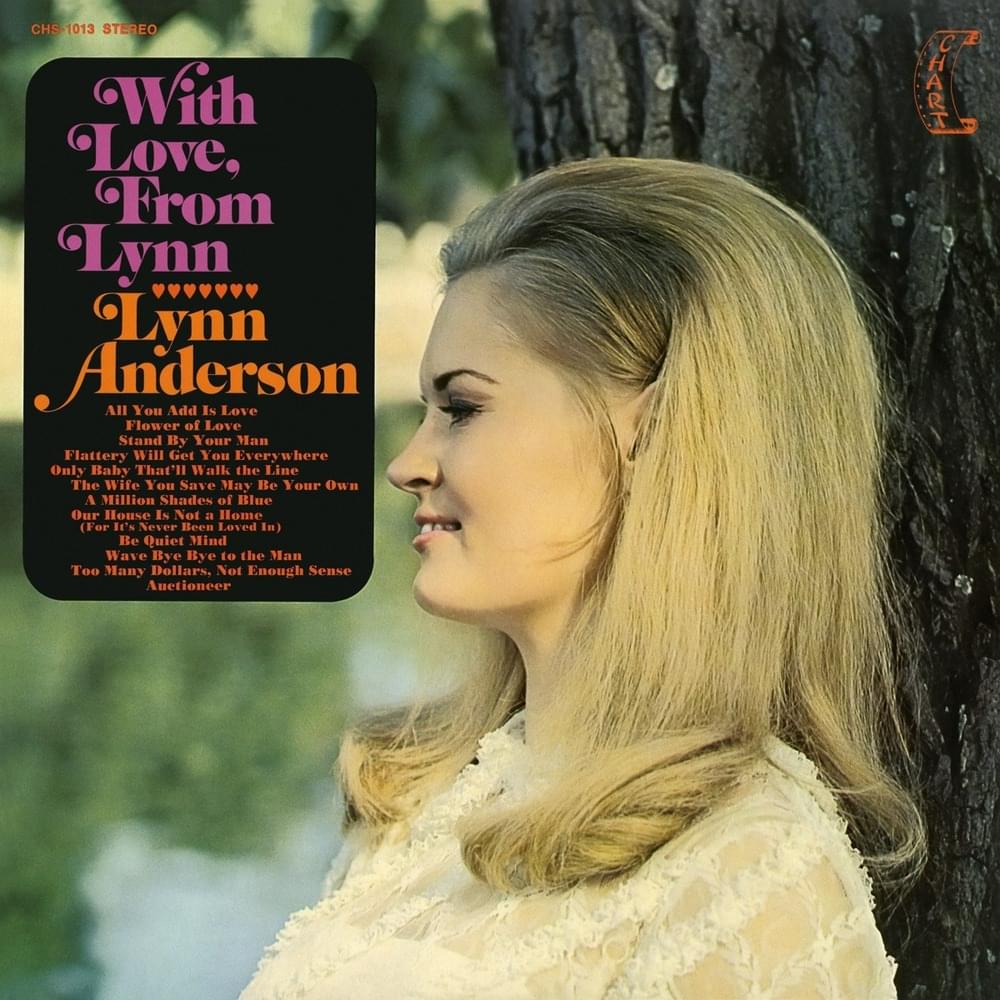
Lynn Anderson’s "Flower of Love" is a masterclass in sonic optimism, a short and sweet promise of romantic fulfillment just around the corner. Eschewing the overwrought melodrama that can plague country music, the track opts for a hopeful, almost childlike simplicity. The central metaphor—the "flower of love"—isn't groundbreaking, but it’s delivered with such genuine warmth that it transcends cliché. The lyrics suggest a period of romantic drought, a time where love felt distant. But the singer declares that this period is ending, that she and love are finally "in tune." This shift isn't attributed to external forces; it’s an internal realignment, a personal readiness to receive affection. Anderson’s ability to convey such a profound shift in perspective with such a light touch speaks to her skill as an interpreter of emotion. Ultimately, the song’s meaning resides in its unwavering belief in the imminent arrival of love, not as a passive recipient, but as an active participant ready to "fly" towards it.
The recurring motif of "sunshine and laughter just over the hill" reinforces this sense of optimistic anticipation. It's a classic trope, but it works effectively here, painting a vivid picture of a brighter future within reach. The idea of someone "waiting" with "true love to give" adds another layer of emotional depth, suggesting a reciprocal connection, a mutual yearning. This isn't just about finding love; it's about finding a love that is both genuine and readily available. The repetition of the opening lines at the song's close serves as a powerful affirmation, underscoring the singer's newfound conviction that the wait is nearly over.
"Flower of Love," then, is more than just a country tune; it's a potent affirmation of hope and the transformative power of self-awareness. It acknowledges the potential for love to wither while simultaneously championing its resilience. The song's meaning is less about the specifics of a relationship and more about the internal journey of preparing oneself to receive and reciprocate love. It's a testament to the enduring human capacity for optimism, even in the face of past disappointments. Lynn Anderson delivers this message with a disarming sincerity, making "Flower of Love" a timeless anthem for anyone on the cusp of romantic renewal.
 View Artist