Song Meaning
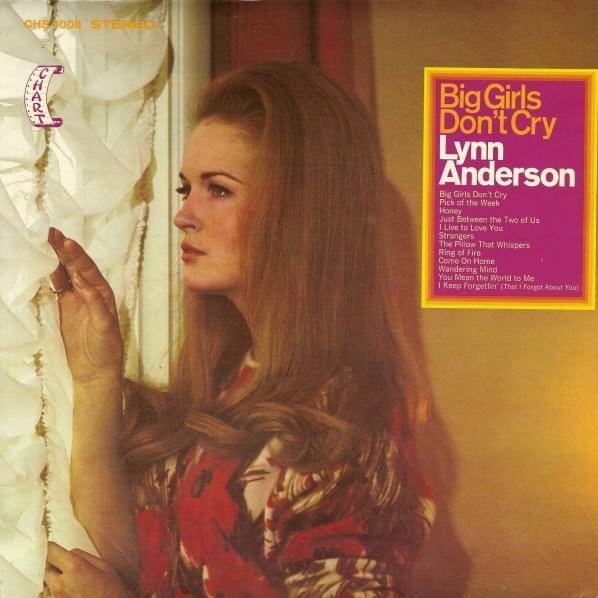
Lynn Anderson's "Big Girls Don't Cry" isn't just a country lament; it's a dagger aimed at the heart of internalized misogyny. The song's deceptively simple melody carries a profound message about the damaging expectations placed on women to suppress their emotions. It challenges the age-old adage that equates strength with stoicism, particularly within a patriarchal framework that often dismisses female vulnerability as weakness. The repetition of "Oh mama mama, who told you that lie?" underscores the intergenerational nature of this harmful belief, suggesting that it's a lesson passed down, a cultural inheritance of emotional repression.
The lyrics trace a journey from childhood comfort to adult heartbreak. The opening verses evoke a nurturing maternal figure who, ironically, perpetuates the very myth the song seeks to debunk. The mother's kisses, meant to soothe, are accompanied by the problematic assertion that "big girls don't cry." This sets the stage for the singer's later disillusionment when faced with romantic betrayal. The arrival of a lover who promises commitment but ultimately delivers heartbreak shatters the illusion of emotional invulnerability.
In essence, “Big Girls Don’t Cry” becomes a poignant anthem for female emotional liberation. The pain of the goodbye is amplified by the realization that the singer has been conditioned to deny her own feelings. The plea, "Mama don't let them tell you that big girls don't cry," is both a lament for lost innocence and a call to action. It's an appeal to break the cycle of emotional suppression and embrace the full spectrum of human experience, tears and all. Lynn Anderson's song, therefore, is a timeless reminder that true strength lies not in denying vulnerability, but in acknowledging and processing it.
 View Artist