Song Meaning
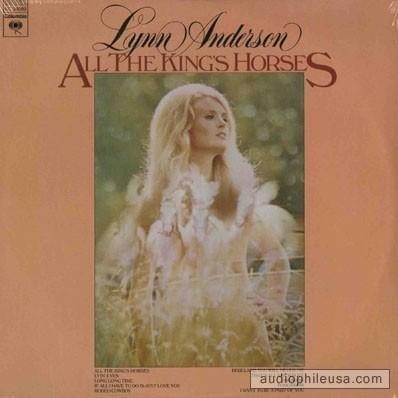
Lynn Anderson's "All the King's Horses" isn't just a country lament; it's a stark excavation of emotional wreckage. The song uses the familiar Humpty Dumpty metaphor as a jumping-off point to explore the irreversible fracturing of a romantic ideal. It's a mature, almost cynical take on heartbreak, acknowledging a point of no return where even the most powerful forces are helpless to restore what's been lost. The fairytale is over, the castle has crumbled, and the singer is left amidst the debris, not just saddened, but fundamentally altered. This isn't about a temporary setback; it's about a permanent shift in her internal landscape. The brilliance lies in its simplicity; Anderson doesn't overcomplicate the narrative. She lays bare the raw, unvarnished truth of a love that has imploded.
Psychologically, the song resonates with the concept of attachment theory and the devastating impact of losing a secure base. The lyrics, "I was your princess on a throne, you were my hero brave and strong," establish a dynamic of idealized dependency. When that foundation crumbles, the individual experiences not just sadness, but a profound sense of disorientation and loss of self. The repetition of "all the king's horses and all the king's men could never put me back together again" underscores the futility of external solutions to an internal crisis. It's a recognition that some wounds are so deep, so fundamental, that they defy repair by any outside force. The fairy tale is exposed as a fragile construct, easily shattered by the realities of human relationships.
Ultimately, "All the King's Horses" offers a potent commentary on the illusions we build around love and the painful awakening that occurs when those illusions are shattered. The song meaning centers on the acknowledgement that some forms of damage are irreparable. It's a hard truth, delivered with a haunting beauty that lingers long after the final note fades. The plea, "I need you now like I needed you then," is not necessarily a call for reconciliation, but rather a desperate acknowledgement of the void left behind – a void that can never truly be filled. It's a portrait of irreversible change after loss.
 View Artist