Song Meaning
Lykke Li's "Window Blues" isn't just a song; it's a masterclass in sonic ambivalence, a shimmering portrait of romantic purgatory. The track captures that razor's edge of wanting and fearing, the push-and-pull that defines so many toxic, yet addictive relationships. The opening lines, "I sleep with windows open / I sleep with eyes wide," immediately establish a state of hyper-vigilance, a desperate hope mingled with the anxiety of potential disappointment. She's waiting, anticipating a change of heart, yet simultaneously bracing for the inevitable letdown. It's a paradox that resonates with anyone who's ever found themselves caught in the orbit of an emotionally unavailable person. The window becomes a symbol of both opportunity and vulnerability.
But the song's genius lies in its refusal to paint Li as simply a victim. The lyrics "I keep a leash around you / And I keep it nice and tight" reveal a desire for control, a recognition of her own complicity in the dynamic. This isn't just passive longing; it's an active, if misguided, attempt to manage the chaos of her emotions. The repeated plea, "Don't lose your selfish ways for me," is particularly striking. It suggests a twisted acceptance, even an attraction to the other person's flaws. Perhaps she believes that their selfishness is what keeps them interesting, that any attempt at genuine connection would ultimately lead to boredom or disillusionment. She’s caught in the trap of confusing intensity with intimacy, a common pitfall in love and relationships.
The French counting interlude adds another layer of complexity. "Un, deux, trois, quatre, cinq, six / A hundred times around / You keep on flunking out / Keep me wanting more." It's a playful, almost taunting acknowledgment of the repetitive cycle of disappointment and renewed hope. The counting suggests a game, a dance of seduction and rejection. The final lines, "For you, I go all blind / Oh my, where is my mind?" underscore the self-destructive nature of this obsession. She's aware of the toll it's taking, yet she remains willingly, perhaps even masochistically, engaged. In the end, "Window Blues" becomes an anthem for anyone who's ever found themselves addicted to the drama of a flawed connection, a haunting exploration of the blurry lines between love, control, and self-deception.
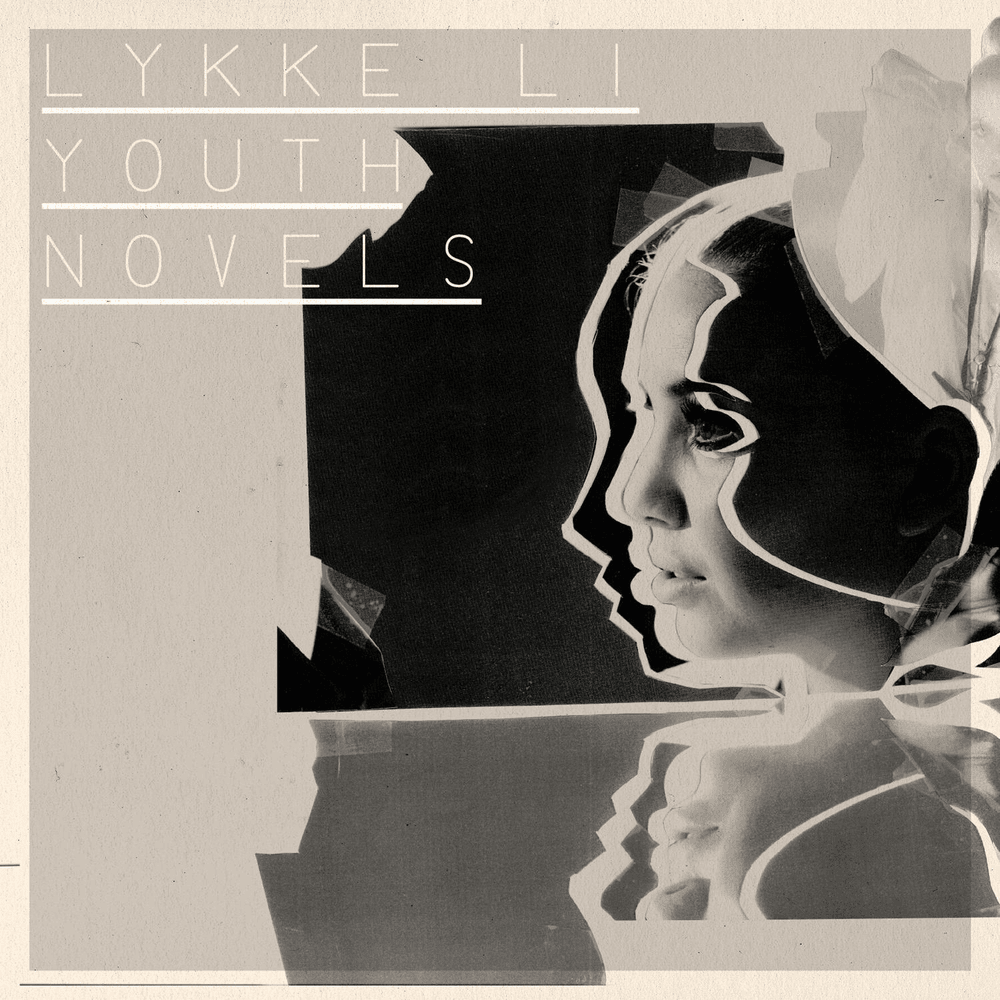
 View Artist