Song Meaning
{"song_id": 11926939, "meaning": "Lykke Li's \"Sleeping Alone\" isn't just a breakup song; it's a portrait of the jagged, unhealed edges of loss. The core of the song meaning revolves around a simple, devastating question: \"Will I get used to sleeping alone?\" This isn't a question of logistics, but of existential adjustment. It's the sound of someone grappling with the unwelcome silence where intimacy used to reside. The repetition emphasizes the cyclical nature of grief, the way the same questions and anxieties resurface, refusing to be neatly resolved. The rawness is classic Lykke Li.
The pre-chorus offers a glimpse into the depth of the connection that's been severed. \"Tomorrow is a long time, forgetting so long / I loved you a lifetime, I loved you long\" – these lines suggest a relationship that felt both epic and enduring. The contrast between the past's perceived permanence and the present's stark reality amplifies the pain. The declaration, \"Love was my shoreline,\" indicates that the relationship provided safety and stability, now lost, leaving her adrift. There's a subtle layer of self-reproach in the verse, \"Now was not our time / No, I let you down,\" hinting at a burden of guilt or regret intertwined with the sadness.
But \"Sleeping Alone\" isn't entirely devoid of hope. The chorus, \"Someday, somehow / Somewhere down the line / If you save your heart for mine / We'll meet again,\" offers a fragile, conditional optimism. It's not a guarantee, but a possibility held out like a flickering candle in the darkness. This isn't necessarily about romantic reunion, but about the possibility of emotional resolution, a future where the pain is less acute. The outro, with its somber observation that \"Some last, some die / Some love wait till its time,\" acknowledges the unpredictable nature of love and loss, leaving the listener suspended between acceptance and longing. Ultimately, Lykke Li encapsulates the bittersweet truth of heartbreak: the simultaneous desire to move on and the persistent hope that some part of what was lost might one day be recovered."}
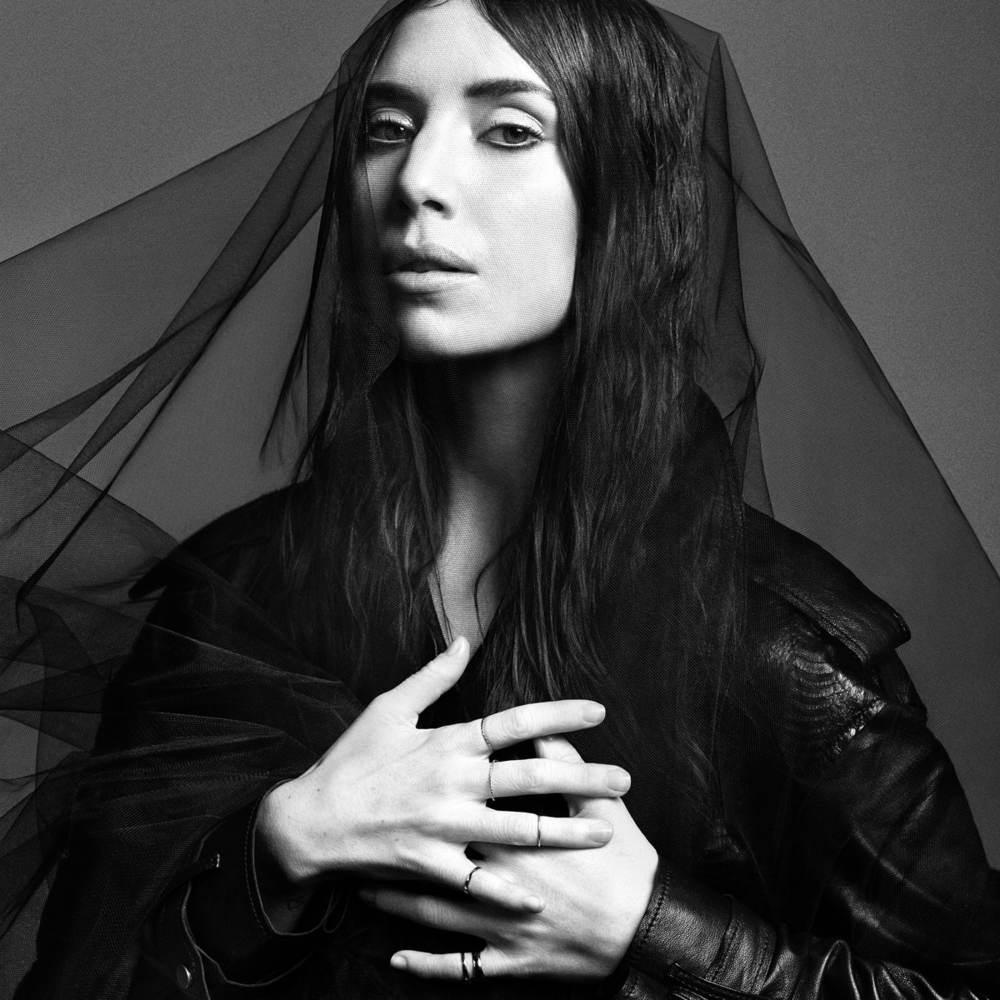
 View Artist