Song Meaning
Lykke Li's "I Never Learn" is a masterclass in sonic vulnerability, a raw nerve exposed and amplified. The track, a centerpiece of her melancholic discography, isn't just a breakup song; it's a dissection of self-destructive patterns in the face of overwhelming love. The opening lines, "Where the blue moon shines, Where the tears melt ice, In a sea of guilt," immediately establish a landscape of emotional desolation, a personal purgatory defined by regret and the lingering chill of past mistakes. The "fallen stars" and "lonely chimes" act as celestial witnesses to this private suffering, underscoring the immensity of the singer's isolation. It’s a setting both romantic and tragic, the perfect backdrop for Li’s exploration of flawed intimacy.
The chorus of "I Never Learn" then crashes in like a confession. The repeated phrase becomes both a lament and a stubborn declaration. Li’s use of the phrase "star seed" to describe her lover is particularly striking. It elevates the relationship to a cosmic level, suggesting an almost pre-ordained connection, yet simultaneously highlights the inherent danger. This love, like lightning, is both beautiful and destructive, leaving her "stung" and "hit." The "honey" refrain, repeated throughout, could be read as a bittersweet endearment, a desperate attempt to sweeten the pain or perhaps a sarcastic jab at the idealized version of love she craves but cannot sustain.
The repeated lines "I'm right here I'm your star crossed lover / I lie here like a starless lover / I'll die here as your phantom lover" are the crux of the song meaning. The singer positions herself as both present and absent, a devoted partner forever bound to a tragic fate. The imagery of being "star-crossed" and "starless" points to the futility of her efforts, a love doomed from the start. Even in death, she envisions herself as a "phantom lover," forever haunting the edges of this relationship. Ultimately, "I Never Learn" is not just about a failed romance; it's about the agonizing realization of one's own limitations in love, a haunting acceptance of a cycle destined to repeat.
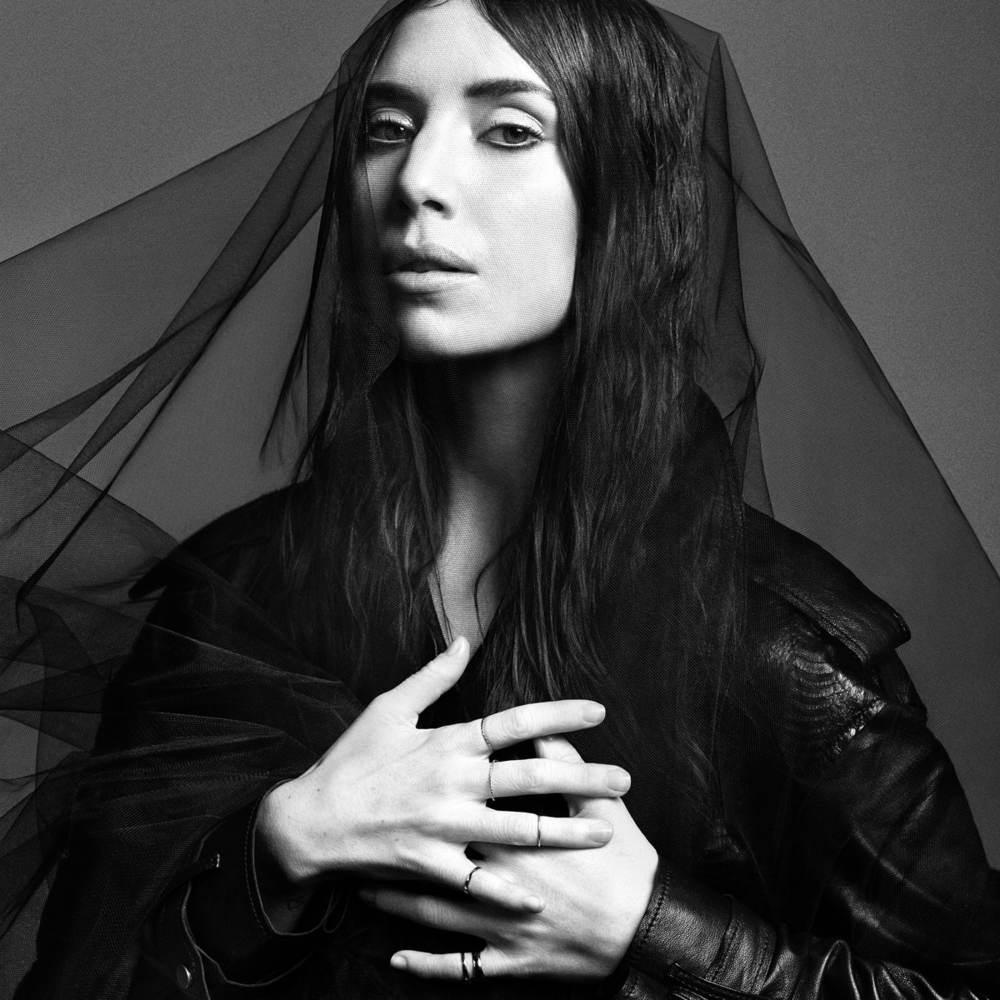
 View Artist