Song Meaning
Lykke Li's "CAROUSEL" isn't just a song; it's a sonic portrait of cyclical obsession. The track immediately throws us into the disorienting loop of a toxic relationship, where the high of connection is inextricably linked to the low of manipulation. The carousel becomes a central metaphor – a dizzying, repetitive ride that offers the illusion of progress while ultimately leading back to the same starting point. Li's protagonist is acutely aware of this pattern, confessing, "It's bad, but I run back in your arms," highlighting the self-destructive pull of familiarity and the siren song of a love that simultaneously seduces and wounds. It's the quintessential codependent dance, set to a haunting melody.
The lyrics paint a stark picture of someone caught in a push-and-pull dynamic. The line "Say no, but I go" perfectly encapsulates the surrender of personal boundaries, the wilful blindness to red flags in pursuit of fleeting moments of euphoria. The repeated assertion of being "high as hell" suggests an emotional intoxication, a reliance on the relationship for a sense of validation or escape, despite the evident pain it inflicts. This 'high' isn't about joy, but about distraction from deeper wounds. The 'truth' is perpetually obscured, and the protagonist remains tethered to a false narrative, unable to break free from the enchantment.
The bridge amplifies the sense of escalating emotional turmoil. The repetition of "Never rained like this, never hurt like this" underscores the unique intensity of the pain, while "I'm under your spell, hurts like hell" reveals the protagonist's awareness of their own subjugation. The instrumental outro, presumably a continuation of the song's cyclical theme, leaves the listener suspended in the same state of uneasy enthrallment, mirroring the protagonist's ongoing struggle to escape the carousel's relentless spin. The song meaning of "CAROUSEL" is not just about heartbreak; it's about the psychological grip of unhealthy attachment and the difficulty of dismantling a deeply ingrained pattern of self-sabotage.
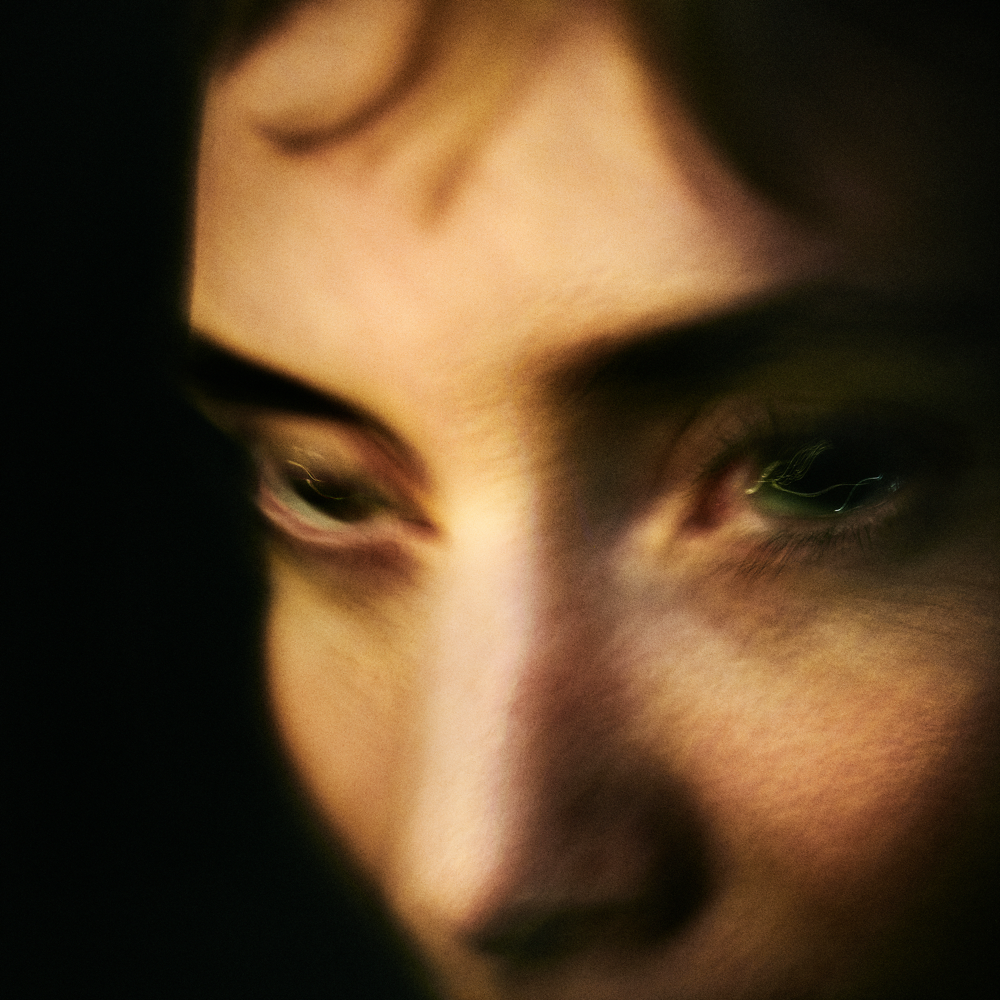
 View Artist