Song Meaning
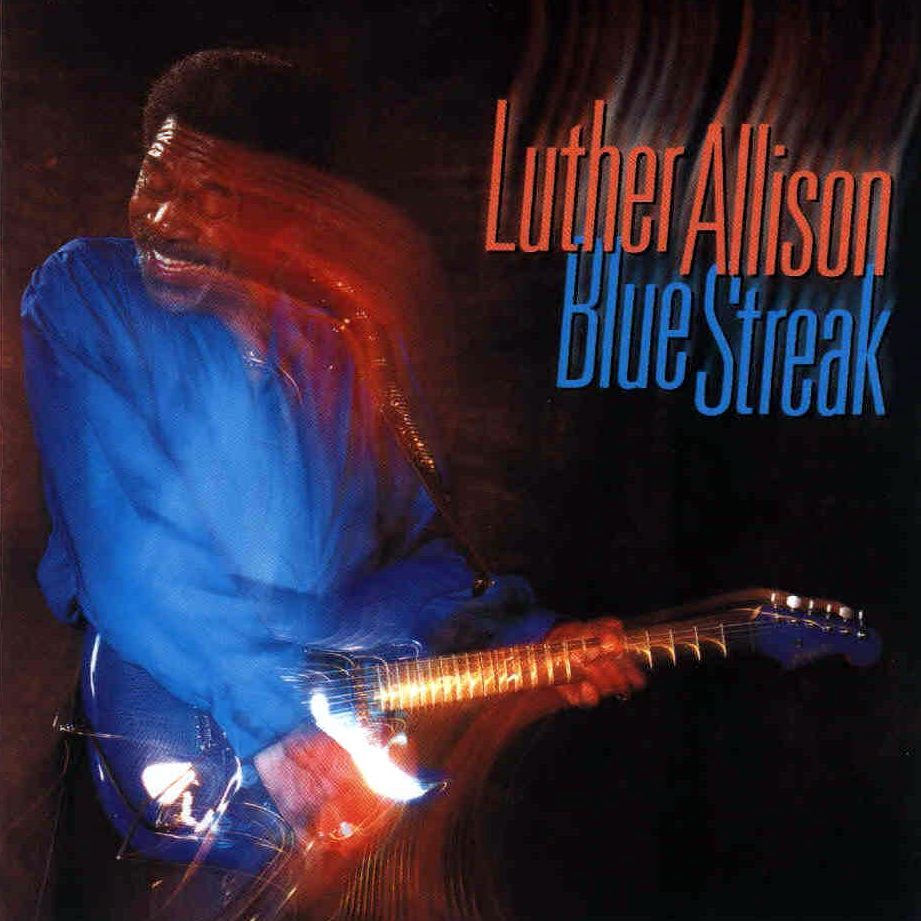
Luther Allison's "I Believe In You" isn't just a love song; it's a defiant act of faith in the face of external judgment. The core message revolves around unwavering support and trust within a relationship, a bulwark erected against the negativity of the outside world. The lyrics, simple yet potent, hammer home the central theme: "I believe in you, don't you know it's true." This isn't a passive declaration; it's an active choice to stand by someone, regardless of what "people talking about you and me" might say. It speaks to the profound human need for validation and the power of a partner's belief to counteract self-doubt. Allison acknowledges the practical realities of life - "Work real hard, trying to make ends meet" - grounding the emotional sentiment in the everyday struggles that test relationships.
But the song's brilliance lies in its reciprocal yearning. The repeated plea, "Come on baby, believe in me," exposes a vulnerability beneath the steadfast facade. It's a reminder that belief is a two-way street, that even the strongest supporters need reassurance. The lyrics hint at a potential imbalance, a situation where the singer's faith might be stronger than the partner's. This dynamic adds a layer of complexity, transforming the song from a simple affirmation into a heartfelt request for mutual support. The phrase "When you walk that walk, talk that talk / All you ever wanna never coming back at all" is more abstract. It suggests a journey, perhaps a personal evolution, where the singer's belief is unconditional even if the partner changes and never returns to who they once were.
Ultimately, "I Believe In You" transcends the typical romantic ballad. It’s a raw, blues-infused testament to the power of belief as a lifeline, a shield, and a foundation for enduring love. The repetition of "I believe in you" isn't just lyrical filler; it's a mantra, a desperate attempt to solidify a bond in the face of uncertainty. This song explores the psychology of relationships, highlighting the fundamental need for acceptance and the transformative effect of unwavering faith. It's a call for reciprocity, a plea for mutual belief, and a celebration of the strength found in shared conviction.
 View Artist