Song Meaning
The lyrics paint a picture of someone caught in a state of profound sadness, observing a loved one who is also suffering. The narrator sees a face marked by a 'triste' (sad) expression, passively watching TV, appearing to have nothing to offer. This initial scene sets a somber tone, highlighting a shared melancholy that feels almost inescapable.
However, the core tension emerges with the declaration "Bô ta in love, in love." This isn't a celebration but a diagnosis, a recognition that the suffering stems from being in love. The lyrics urge the subject not to hide their feelings, but to "mostrá o que bô tem que dá" (show what you have to give). There's a sense that unspoken love, or unexpressed affection, is the root of the pain.
The most striking aspect is the transformative power attributed to love. The narrator insists that this "novo amor foi um chance / Que bô tive pa renascê" (new love was a chance / You had to be reborn). The simple act of expressing love, of letting a word escape, is presented as a catalyst for profound change, capable of making the "coraçon, torná bate, torná vive" (heart beat again, live again). It’s a powerful reframing of love's potential, moving from a source of sorrow to a path toward renewal.
Ultimately, these lyrics resonate because they capture the paradox of love's dual nature: its capacity to inflict deep pain when unexpressed, and its incredible power to resurrect the spirit when embraced. The urgency to act – "Ca bô perdê tempe" (Don't lose time) – underscores the preciousness of this emotional awakening, urging the listener to seize the moment of love before it fades.
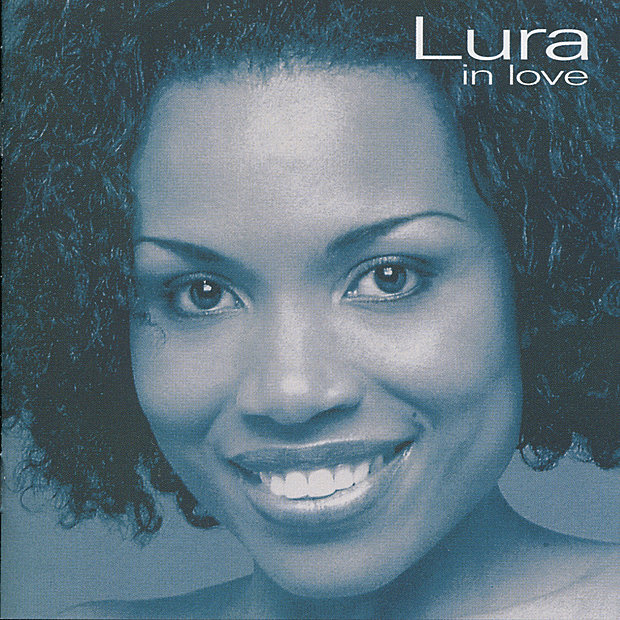
 View Artist