Song Meaning
The lyrics paint a vivid portrait of Mindelo, an island city, as a place of profound beauty and cultural richness. The opening lines immediately ground us in the physical landscape, with the narrator observing the "Farol d'Mindel" (Mindelo Lighthouse) and the distinctive "Mont Cara" (Cara Mountain). This visual immersion is quickly followed by a sensory connection to the "ritmar di nha baía" (rhythm of my bay), establishing a deep, almost inherent bond with the place.
The core of the song is an ode to Mindelo, repeatedly calling it "poesia" (poetry) and "ilha di melodia" (island of melody). This elevates the city beyond a mere location to an artistic entity. The recurring phrase "num batê di batucada di fev'rer'" (in the beat of February's batucada) anchors this identity in a specific, vibrant cultural practice, suggesting a lively, rhythmic spirit that defines daily life. The concept of "morabeza," a Cape Verdean term for a relaxed, gentle, and welcoming nature, further enriches this portrait, portraying Mindelo as a place of warmth and ease.
The second verse introduces a more introspective layer, referencing "sodade" (longing or nostalgia) and the "poeta marinher" (sailor poet). This suggests that Mindelo is not just a place of present joy but also a source of inspiration and reflection, perhaps for those who have left or remember its past. The mention of "Manel d'Novas, mornas de Cesária" directly links the island to its musical heritage, specifically the "mornas" popularized by Cesária Évora, further solidifying its status as a hub of artistic expression and melancholic beauty.
Ultimately, the lyrics effectively convey a powerful sense of place and cultural pride. By weaving together specific landmarks, sensory experiences, and cultural touchstones like "batucada" and "morabeza," the song creates an affectionate and evocative tribute. The repeated refrains act as a constant affirmation of Mindelo's poetic and melodic essence, making the listener feel the island's unique rhythm and soul.
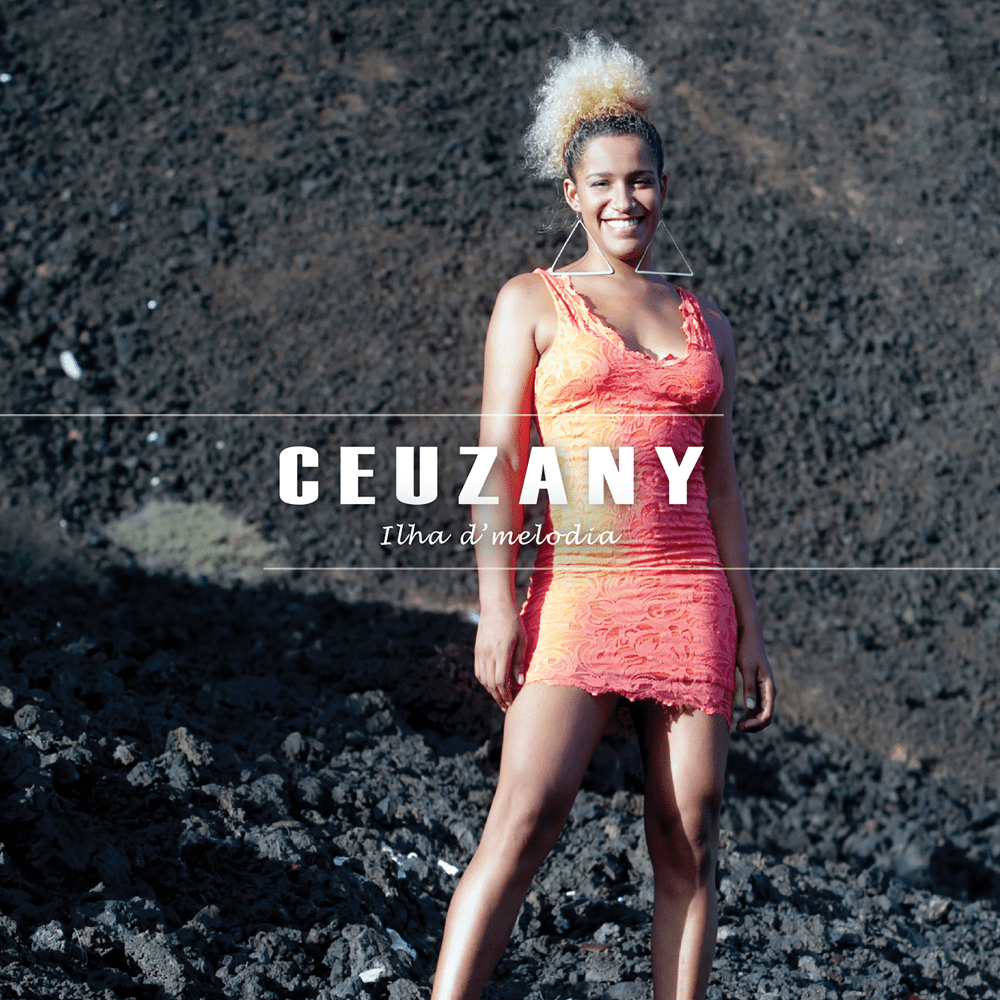
 View Artist