Song Meaning
This track paints a stark picture of hardship, immediately establishing a tone of struggle with a relentless litany of what's missing. The narrator emphasizes the difficulty of existence when stripped of fundamental needs and desires: love, power, money, recognition, and even basic security like a "trigger" or "bonus." This opening sets a heavy, almost desperate mood, highlighting a profound sense of lack.
The core tension arises from the contrast between this bleak reality and a yearning for a more fulfilling life. The lyrics acknowledge the singular nature of life, suggesting that passive complaint is futile. Instead, the narrator expresses a desire for the "best that life has to offer," a modest wish for simple pleasures that "never hurt anyone." This isn't about excess, but about claiming a rightful share of life's goodness.
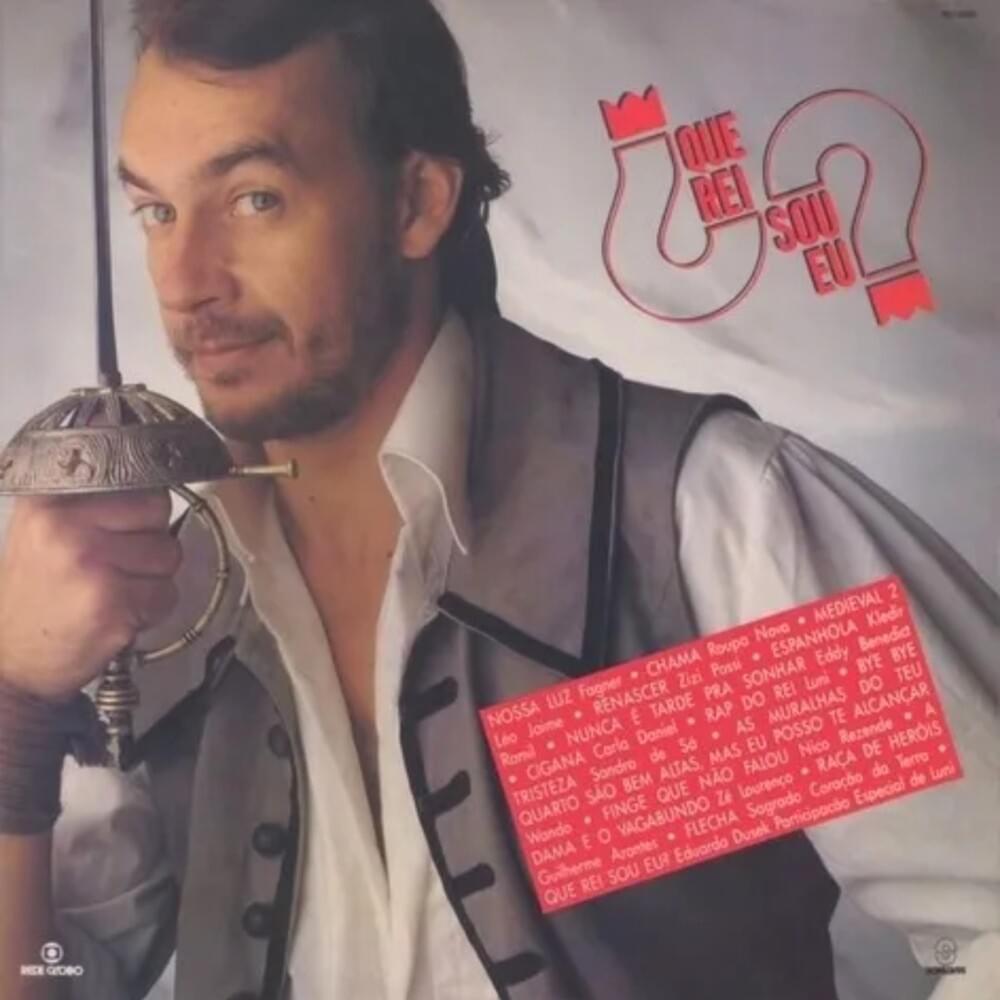
The most striking element is the recurring question, "Que rei sou eu?" (What king am I?). This rhetorical question, posed after the narrator asserts a desire only for what is rightfully theirs, cuts to the heart of the song's message. It implies that true kingship, or perhaps self-worth and agency, is contingent on having one's own, on being able to "take care of what is theirs." Without this, the narrator feels stripped of any regal status, reduced to a mere observer of life.
Ultimately, the effectiveness of these lyrics lies in their directness and relatable plea for basic dignity. The narrator's articulation of a desire for fairness and a modest portion of life's bounty, framed by the poignant question of their own identity and worth, resonates deeply. It’s a powerful expression of wanting not just to survive, but to truly live and be recognized as having a rightful place.
 View Artist