Song Meaning
The lyrics paint a stark picture of survival and awakening, beginning with a primal struggle for basic needs. The narrator recounts learning to count by "match light" and being "nourished by a simple plastic bag," suggesting a past of extreme scarcity and resourcefulness. The imagery of "ghost shoes" and seeking something "sought like saffron" implies a desperate pursuit of ephemeral or unattainable comforts, highlighting a life lived on the edge of existence. This initial phase is defined by a profound lack, where even light is a "ration."
The central tension emerges from the conflict between external control and internal agency. The repeated refrain, "Nothing comes to the faithless firsthand / Yet all we crave won't save us," speaks to a complex relationship with belief and desire, suggesting that passive waiting yields nothing, yet even fervent wanting is insufficient for salvation. This is amplified by the disorienting advice, "Don't let your left hand know / What your right hand is doing," which hints at a fractured self or a need for clandestine action, a deliberate separation of awareness from deed. The narrator grapples with a dawning consciousness, admitting, "I can't say I'm awake yet," and "Don't count on me to stay awake yet," indicating a fragile transition from a state of unknowing.
The lyrics employ a fascinating blend of the mundane and the scientific to describe this awakening. The sustenance derived from a "simple scent / Sprung from molecular pegboard" and the "two-way cage of a laboratory" suggest a sterile, controlled environment where even basic sensory experiences are manufactured or observed. This contrasts sharply with the raw, almost animalistic imagery of "bird neck landing" and "tears of its wings." The setting shifts to a "sub-basement / Beneath the official union barber shop," a hidden, liminal space where even those perceived as "pigs" receive basic grooming, hinting at a societal underbelly where the marginalized are processed. This layered setting underscores the narrator's own emergence from a hidden, perhaps manipulated, existence.
Ultimately, these lyrics resonate because they articulate a difficult, non-linear process of self-liberation. The shift from passive reception to active reclamation – "Gotta take the wheel back" – is hard-won. The declaration, "We will crawl over the walls / We will become manifest / Any time and every time we so choose / And we will persevere," offers a powerful assertion of collective will and self-determination. The final line, "It won't be like money anymore," suggests a transcendence beyond material value, a liberation into a state of being that is intrinsically valuable and chosen, rather than acquired or dictated.
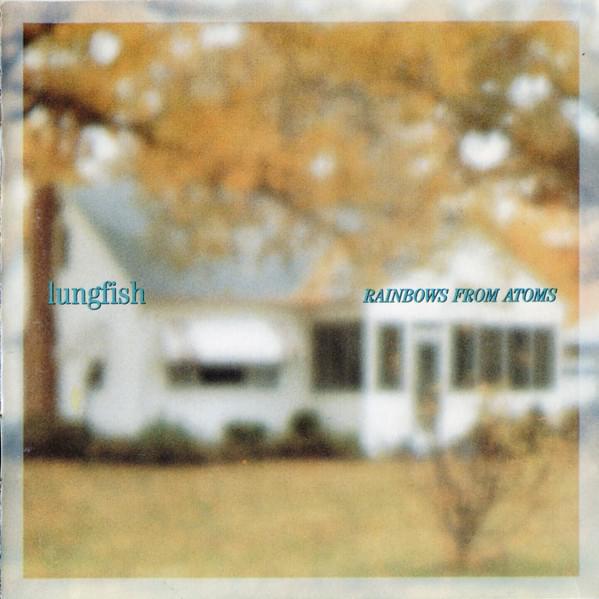
 View Artist