Song Meaning
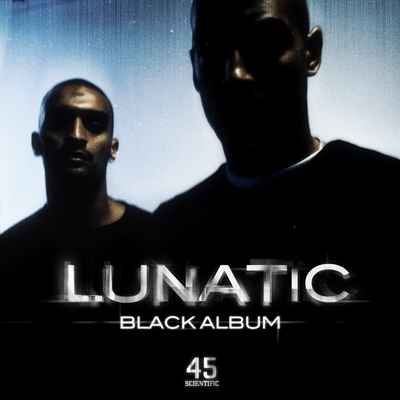
This intro immediately asserts a dominant presence, rapidly firing off names and locations like "Lunatic," "Booba Ali," and "Hauts-de-Seine." It's a territorial declaration, establishing the group's identity and origin with a defiant, almost confrontational tone. The repeated geographical markers ground their claims in a specific, gritty reality.
The central tension emerges from a blend of self-assured superiority and a cynical worldview. Phrases like "J'ai pas de pareil" (I have no equal) and "J'suis déjà arrivé, ils ont pas démarré" (I've already arrived, they haven't started) dismiss rivals with a sneer. This braggadocio is underpinned by a stark philosophy: "La vie est un long test / Plus on avance et plus les épreuves viennent," suggesting a world where loyalty is scarce and "traitres font en sorte que l'unité / Ne reste qu'un mot, une idée."
The craft here lies in the stark contrast between this philosophical depth and the raw, aggressive boasts. The lyrics shift from reflecting on the fragility of unity to directly challenging other artists: "ils veulent tous rapper, comme s'ils avaient quelque chose à dire." This direct address, coupled with the declaration "On est venus cracher notre haine," paints a picture of artists who are not just skilled but also fueled by a potent, unvarnished anger.
Ultimately, these lyrics are effective because they don't just brag; they build a narrative of earned dominance. The group's claims of being "Original donc normal que nombreux imitent" feel rooted in a worldview shaped by struggle and betrayal. It creates an exclusive aura, making listeners feel like they're getting an unfiltered glimpse into the mindset of a formidable, unapologetic force in music, leaving other MCs to wonder, "merde putain mais il vient d'où ce clan."
 View Artist