Song Meaning
This track opens with a sense of abstract, almost existential yearning, painting a picture of a moment suspended in time. The narrator describes an "elemental kind of rhapsody" and a "movie that was never meant to end," setting a scene that feels both profound and slightly unreal. This initial mood is quickly undercut by the unsettling image of "silence that will drown you out," suggesting an underlying tension beneath the surface of this seemingly perfect, unending moment. The arrival of another person, marked by the sudden shift to "Suddenly / You beside of me," introduces a focal point, yet the feeling of being "Left alone" persists, creating an immediate emotional paradox.
The core of the song seems to grapple with the aftermath of a fleeting, perhaps regretted, encounter. The narrator confesses their "mental" reaction to the other person's appearance, noting their "funny eyes" and expressing relief that it was "a casual affair." This suggests a desire to downplay the significance of the event, perhaps as a defense mechanism against deeper feelings or potential hurt. The question, "Was it worth an apology?" directly addresses the lingering uncertainty and potential for regret, hinting at a power dynamic or a perceived transgression.
The repeated refrain, "Turn up the radio," acts as a deliberate distraction or an attempt to drown out uncomfortable thoughts and emotions. It’s a sonic shield against the silence and the internal turmoil. The lyrics then pivot to a more assertive, almost admonishing tone with the repeated assertion, "Someday / You'll see / That it's not a democracy." This suggests a fundamental disagreement or a perceived imbalance in the relationship or situation, where one person's perspective or will is being imposed. The insistence on this point, coupled with the plea to "Believe me," underscores the narrator's conviction and their frustration with the other person's apparent lack of understanding or acknowledgment.
The effectiveness of these lyrics lies in their ability to capture the disorienting feeling of a significant moment that is simultaneously dismissed and deeply felt. The contrast between the grand, almost cosmic opening and the mundane, yet emotionally charged, details of the encounter creates a compelling tension. The repeated plea to "Turn up the radio" is a powerful, relatable image for anyone who has tried to escape their own thoughts, making the internal struggle palpable even as the narrator attempts to maintain a facade of casualness.
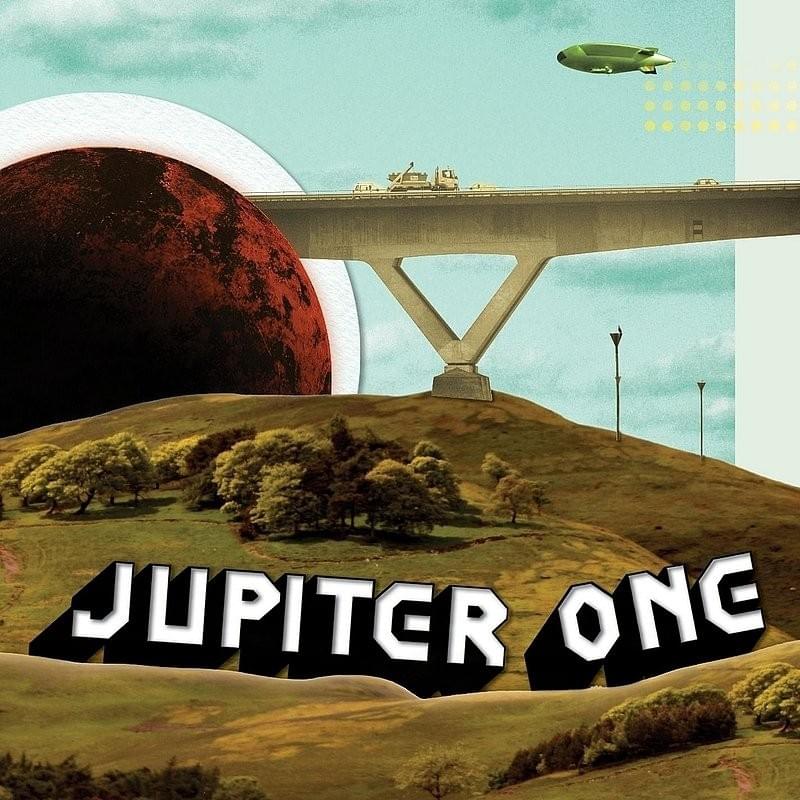
 View Artist