Song Meaning
The lyrics paint a portrait of a young woman, "Melody fair," who seems overwhelmed by societal expectations and the perceived pressures of life. The opening questions about a "girl with the crying face" looking at "millions of signs" immediately establish a sense of confusion and anxiety. This figure understands life as a "running race," implying a constant struggle for achievement, yet her expression betrays a weariness that contradicts this outward drive. The narrator directly addresses Melody, urging her to "comb your hair" and reminding her of her inherent beauty and youth, suggesting a disconnect between her inner state and her potential.
The central tension lies in the contrast between Melody's perceived struggle and the narrator's gentle, almost paternalistic, encouragement. The lyrics present life not as a linear race, but as a "merry-go-round," a cyclical, perhaps disorienting, experience. This metaphor suggests that the constant striving might be futile, and that Melody's distress is amplified by a misunderstanding of life's nature. The repeated refrain, "remember, you're only a woman" and "only a girl," carries a complex weight, possibly highlighting her vulnerability but also perhaps a societal limitation that adds to her burden.
The most striking craft element is the persistent questioning and the direct, almost pleading, address to "Melody fair." The repetition of the chorus reinforces the narrator's message, hammering home the idea that Melody's beauty and worth are tied to her appearance and her perceived role. The imagery of the "crying face" and the "window pane" watching the rain evokes a profound sense of melancholy and isolation. The sheer repetition of "too, too, too, too, too" at the end of one chorus line amplifies the desperation or perhaps the overwhelming nature of the beauty being offered.
Ultimately, these lyrics resonate because they capture a feeling of being lost amidst life's demands, particularly for young women. The narrator's repeated calls for Melody to acknowledge her beauty and youth, while seemingly supportive, also highlight a societal pressure to maintain a certain image. The song seems to grapple with the idea that external validation and conforming to perceived roles are often prioritized over internal peace, leaving figures like Melody caught in a cycle of quiet desperation.
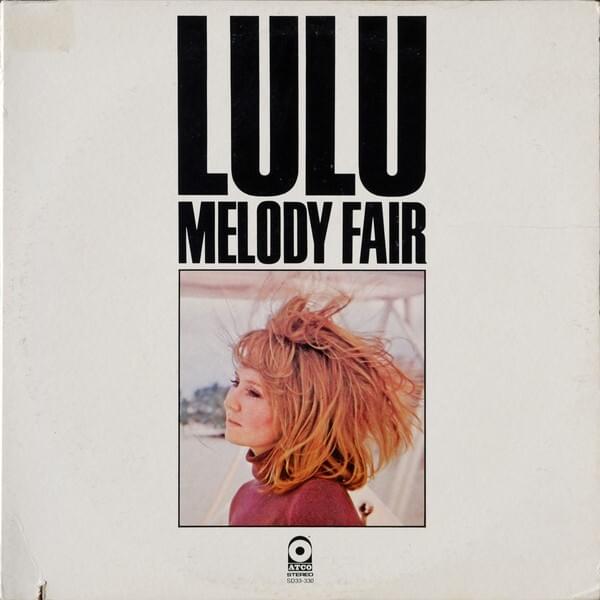
 View Artist