Song Meaning
The lyrics paint a picture of someone alone in an apartment, trying to conjure the presence of a loved one through a "hologram." This digital ghost seems to smile and wink, creating a potent illusion of closeness. The narrator clings to this spectral image, stating, "You seem to be really here," highlighting the desperate desire for connection that transcends physical absence. This initial scene sets a tone of melancholic longing, where technology attempts to bridge an emotional chasm.
The central tension arises from the stark contrast between the vivid, interactive "hologram" and the narrator's solitary reality. While the digital projection offers a semblance of the loved one's presence, the narrator is "just in the apartment writing / Memories on an old computer." This juxtaposition underscores the profound loneliness and the effort to preserve memories against the "waves of time." The phrase "Vôo de coração" (Heart's flight) suggests an emotional soaring or a desperate leap of faith, perhaps an attempt to reach the loved one or escape the present isolation.
The most striking craft element is the use of "holograma" as a metaphor for memory and digital connection. It's not just a visual representation but an interactive one, capable of "smiling" and "winking." This elevates the technology beyond a passive medium, making it an active participant in the narrator's emotional experience. The repetition of "Vôo de coração, meu amor" acts as a refrain, a mantra that reinforces the central emotional thrust of the song – a heart taking flight in pursuit of love or in response to its perceived presence, even when mediated by technology and memory.
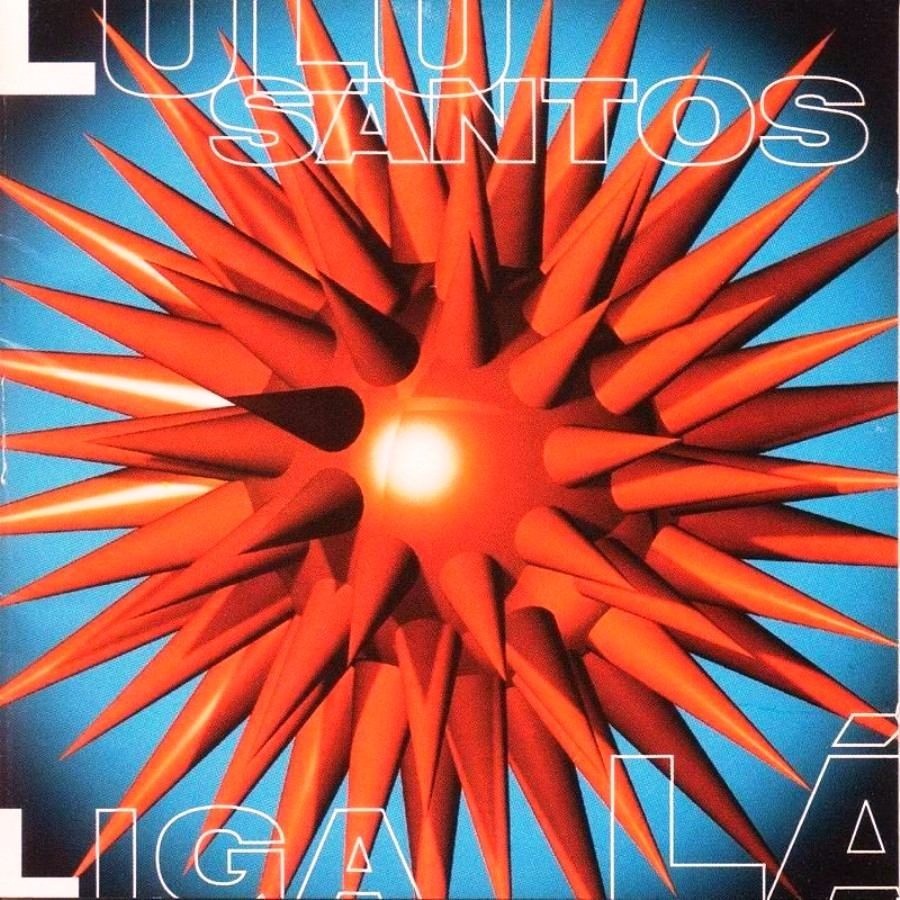
 View Artist