Song Meaning
The lyrics for "Tudo Azul" open with an almost idyllic scene, painting a picture of carefree bliss. "Tudo azul," or "everything's blue/fine," suggests a world where "Todo mundo nu" — everyone naked — enjoys the sun "de norte a sul" across Brazil. This initial warmth and peace, however, quickly gives way to a stark internal emptiness, as the speaker admits everything is "sem Força e direção." This swift pivot immediately establishes a core tension between outward appearance and inner reality.
Despite the collective presence, a profound sense of isolation emerges. The lines "Nós somos muitos" and "Não somos fracos" initially suggest a united front, but this strength is undercut by the poignant admission, "Somos sozinhos nesta multidão." This paradox highlights a shared human experience of feeling profoundly alone even amidst a crowd, a collective heart "Sangrando pelo sonho De viver"—bleeding for the very dream of existence itself.
The craft here is particularly sharp in its use of culturally specific metaphors to convey deep personal despair. The speaker denies any grand capability, stating, "Eu nunca fui o rei do baião" and "Não sei fazer chover no sertão," invoking images of powerlessness against the harsh realities of the Brazilian interior. This inability to bring life or joy is then internalized, transforming the speaker into a "flagelado da paixão" and a "Retirante do amor"—a refugee from love, suggesting it's a source of hardship rather than solace.
Ultimately, the lyrics resonate through their raw honesty, culminating in the striking image of being "Desempregado do coração." This powerful phrase encapsulates a heart rendered jobless, devoid of its fundamental purpose to love and connect. The contrast between the initial, seemingly perfect world and the subsequent confession of profound emotional destitution creates a poignant and deeply human portrayal of longing for purpose and connection in a world that feels increasingly aimless.
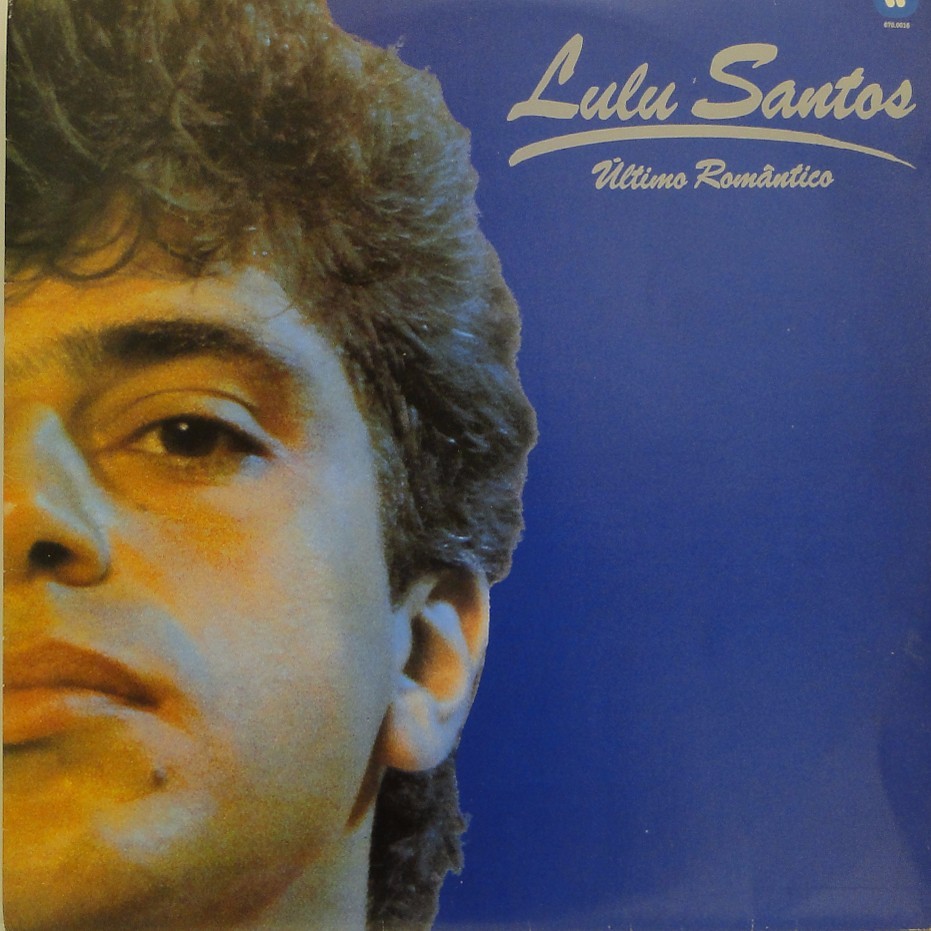
 View Artist