Song Meaning
The lyrics paint a stark, cosmic picture, immediately contrasting the vastness of the night sky with a profound sense of mortality. The narrator points out the immense number of stars, but quickly reveals a chilling truth: "Quase todas mortas." This sets a somber, almost elegiac tone, suggesting that beauty we observe might already be gone, existing only in our perception.
The central tension arises from our limited understanding of time and existence. The narrator acknowledges that "só não é chegado para nós o tempo que se apagarão," highlighting our ignorance of when these distant lights, or perhaps by extension, our own lives, will truly end. This ignorance is then juxtaposed with our present state: "A gente tá na lanterna, do tempo que virá." We are illuminated, but only by the faint, perhaps fading, light of what's to come, existing in a temporary, uncertain present.
The most striking craft element is the juxtaposition of cosmic scale with human finitude. The "luz, quanta estrela" evokes awe, but the "quase todas mortas" grounds it in a melancholic reality. The phrase "na lanterna" is particularly effective, suggesting a fragile, borrowed illumination rather than an inherent, enduring light. It implies a dependence on a future that is itself uncertain, a precarious existence.
This lyrical approach hits hard because it uses grand, universal imagery to articulate a deeply personal and existential anxiety. The vastness of space becomes a mirror for our own fleeting existence, and the seemingly eternal stars serve as a reminder of inevitable decay. The lyrics capture that unsettling feeling of being alive in a moment, aware of the passage of time but blind to its ultimate conclusion.
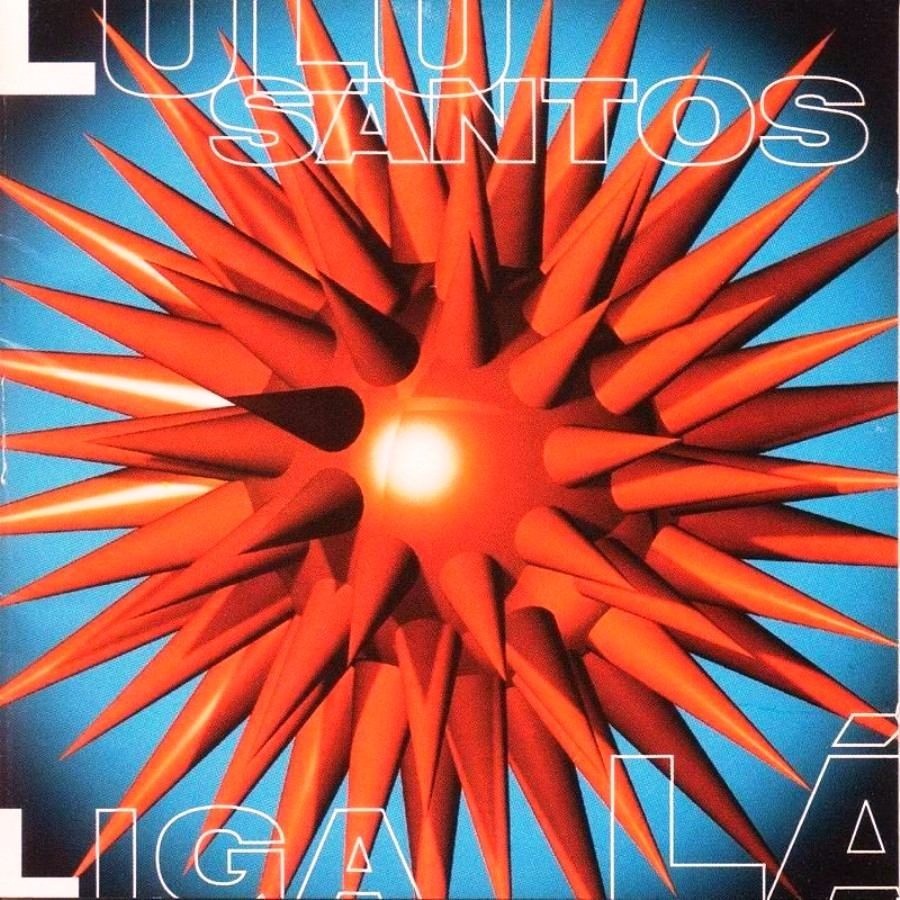
 View Artist