Song Meaning
The lyrics present a speaker defending their blunt honesty in a relationship. They insist that telling the truth, even if it's not what the other person expects, is preferable to constant deception. This sets up a dynamic where sincerity is both a virtue and a potential point of contention.
The core tension here lies in the speaker's deep affection, expressed through phrases like "eu te quero, eu te venero, eu te adoro," clashing with their unconventional "jeito de te querer." They acknowledge this might not align with the listener's "como você imaginou," creating a space for potential misunderstanding. Yet, the speaker's refusal to "te enganar" becomes a non-negotiable boundary. This commitment to truth is presented as a higher form of care, even if it risks discomfort.
The repetition of "eu sou sincero" acts as a powerful, almost defiant, anchor throughout the piece. It transforms a simple statement into a core identity, a principle the speaker lives by. A crucial shift occurs in the second verse, where the speaker declares "Você não pode me enganar" after having already revealed their own truth. This introduces a reciprocal demand, suggesting that honesty is a two-way street, not just a personal philosophy. It implies that having laid their cards on the table, the speaker now expects the same transparency in return.
Ultimately, these lyrics resonate because they explore the messy reality of love that doesn't fit a perfect mold. The speaker's unwavering commitment to truth, even when it's uncomfortable, feels both brave and vulnerable. It forces the listener to consider whether true affection can exist outside of idealized expectations, making the "sincero" declaration a powerful statement about authentic connection. This isn't just about being honest; it's about defining the terms of a relationship with integrity.
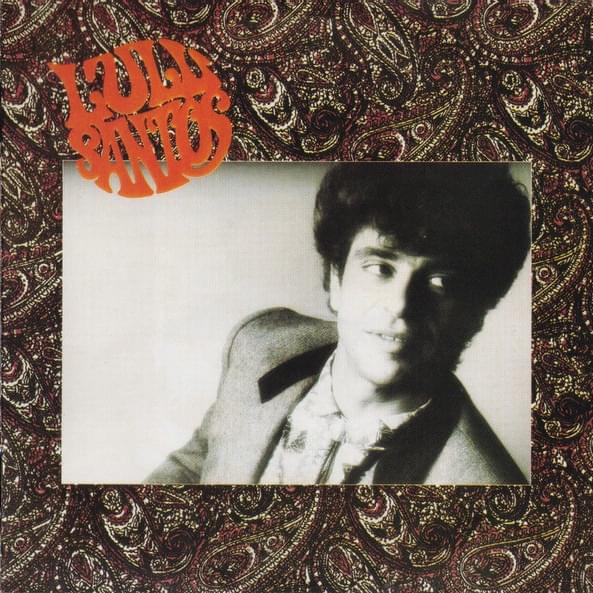
 View Artist