Song Meaning
The lyrics open on a scene of shared, lingering hurt, acknowledging that "fechar o que feriu por dentro" takes time for both individuals. There's a weary acceptance, a sense that this slow healing is "Natural que seja assim." It sets a tone of quiet, post-event reflection rather than immediate drama.
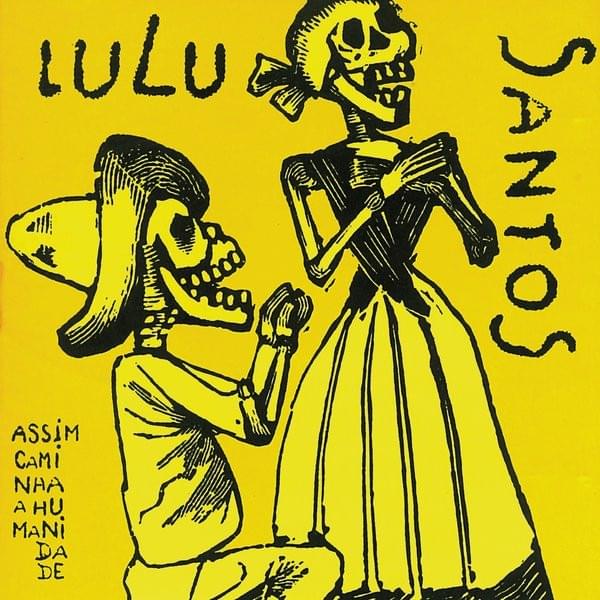
The central tension lies in the slow, almost unwilling march forward after a significant emotional wound. The phrase "Assim caminha a humanidade" isn't a grand declaration of progress but a resigned observation, immediately undercut by "passos de formiga e sem vontade." This suggests a universal, reluctant trudge through recovery, where even laughter feels distant, requiring "uma 'cara'" (a while).
The most striking craft element is the speaker's refusal to categorize the past relationship in extremes. "Não vou dizer que foi ruim" offers a refreshingly honest, non-dramatic assessment, noting it "não foi tão bom assim" either. This balanced perspective makes the subsequent, stark declaration — "Apenas não te quero mais" — hit with even greater force, stripping away any lingering ambiguity without resorting to bitterness.
The lyrics achieve their emotional impact through this blend of mature resignation and unwavering finality. The escalating repetition of "Não te quero mais / Não mais / Nunca mais" isn't an angry outburst but a firm, almost exhausted drawing of a line. It captures the quiet, often painful process of moving on, where the decision to end something isn't always born of malice, but simply a clear, undeniable shift in desire.
 View Artist