Song Meaning
These lyrics paint a picture of a love that feels divinely ordained, a destiny written in the fabric of existence itself. The opening lines immediately establish a sense of preordained connection, suggesting that the meeting of two souls was a cosmic inevitability, a light meant to shine. This feeling of fated union permeates the entire piece, framing the passionate encounter not as a chance occurrence but as a fulfillment of ancient plans.
The central tension lies in the overwhelming power of this destined love. It's described as a "sacred fire of passion" that will "consume us," and a "magical serpent of love" that will elevate the lovers to godhood. This intensity is further amplified by the contrasting imagery of the "desert sun burning the sand" against the beloved's presence being "water that preserves life." This highlights how the love, while potentially consuming, is also life-giving and essential, a paradox that defines its profound impact.
The recurring phrase "Já estava escrito" (It was already written) acts as a powerful anchor, reinforcing the theme of destiny. The lyrics also employ striking metaphors like the "wild dove in the blue of the soul" and the "magical serpent of love," elevating the emotional experience to a mythical, almost spiritual plane. The final lines, "life is only worth it / when love touches us," encapsulate the core belief that this fated love is the ultimate purpose and validation of existence.
What makes these lyrics resonate is their ability to articulate a profound sense of belonging and purpose through the lens of inescapable destiny. The grand, almost cosmic scale of the language – referencing time, space, millennia, and Allah – imbues the personal connection with an epic significance. It suggests that finding this love isn't just a personal triumph, but a cosmic alignment, making the emotional experience feel both deeply intimate and universally vast.
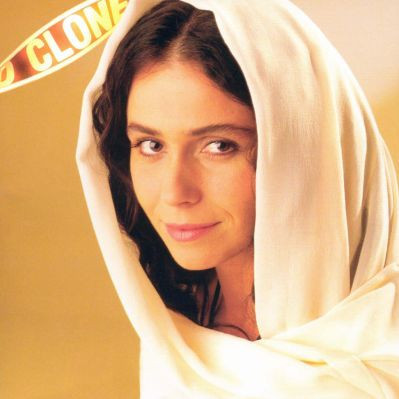
 View Artist