Song Meaning
The lyrics paint a stark picture of a past self haunted by a "hungry ghost," a persistent echo of past trauma and near-destruction. The narrator expresses gratitude for the very moments of intense suffering – the nights of crying, the brush with death – framing them as essential to their survival. This isn't a celebration of hardship, but a profound acknowledgment of how those depths forged their present resilience.
The central tension lies in the contrast between the narrator's internal struggle and the external perception of their past actions. The repeated image of "falling up and down the main street" and being a "naked fool" on the dance floor captures a chaotic, perhaps reckless, period. The casual dismissal from others – "That's what being young is for" – highlights a profound disconnect; they saw youthful exuberance, while the narrator was teetering on the brink, unable to endure any more.
The most striking element is the concept of the "hungry ghost." This isn't just a memory; it's an active, waiting entity, implying that freedom from the past is not guaranteed and requires constant vigilance. The narrator questions their current freedom, "Should I take for granted, I am free now," suggesting the ghost still lurks, a testament to the enduring power of past experiences.
Ultimately, the effectiveness of these lyrics stems from their raw honesty and the narrator's hard-won perspective. The gratitude for near-death experiences and the acknowledgment of the ghost's presence offer a complex, unflinching look at survival. The final lines, "To smell the amarillo / Dream beneath some tree / Wait for the daffodil," offer a quiet, sensory-rich vision of peace, a stark contrast to the earlier chaos, implying a hard-earned, fragile freedom found in simple, present moments.
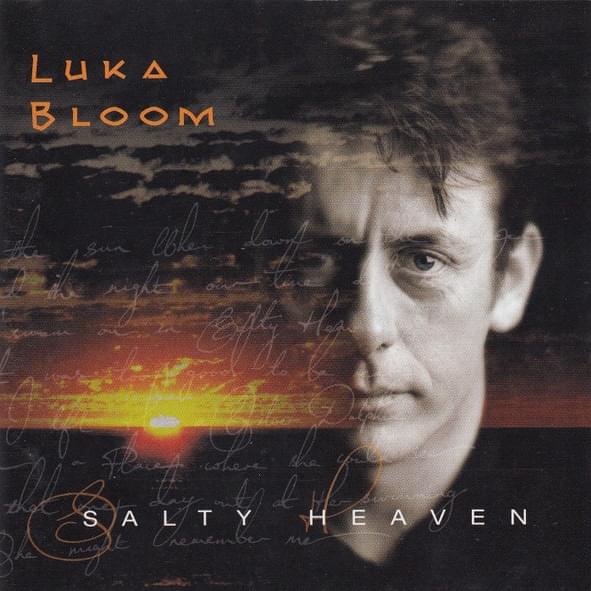
 View Artist