Song Meaning
The lyrics immediately plunge into a fragmented sense of self. The speaker declares they are "almost gypsy," then "American, Brazilian," and from "Paraíba." This rapid-fire list of origins creates a dizzying sense of a person constantly shifting, never quite settling into one box. The dominant feeling is one of being partially connected to many places and identities.
This feeling of partiality culminates in the repeated line, "Sou quase nada" (I am almost nothing). This isn't a statement of despair, but rather a profound acknowledgment of an identity that resists easy definition. Yet, this apparent void is immediately countered by a powerful assertion that being "Mulato não é questão de engano" (not a matter of mistake). This line cuts through the ambiguity, making a clear, defiant claim about racial identity.
The genius lies in this stark contrast. The speaker moves from a fluid, almost ethereal self to a grounded declaration of heritage: "Sou descendente mais de africano" (I am more of African descent). The "mais" (more) is crucial, suggesting a primary, foundational lineage that anchors the otherwise diffuse sense of self. It's a powerful act of self-definition against a backdrop of multiplicity.
What makes these lyrics resonate is their unflinching honesty about the complexities of identity in a globalized world. The speaker embraces the "almost nothing" not as a weakness, but as a space from which to assert a unique, powerful truth: "Sou forte feito um nobre humano" (I am strong like a noble human). It's a testament to finding strength and nobility not in singular categories, but in the rich, often contradictory tapestry of one's own heritage.
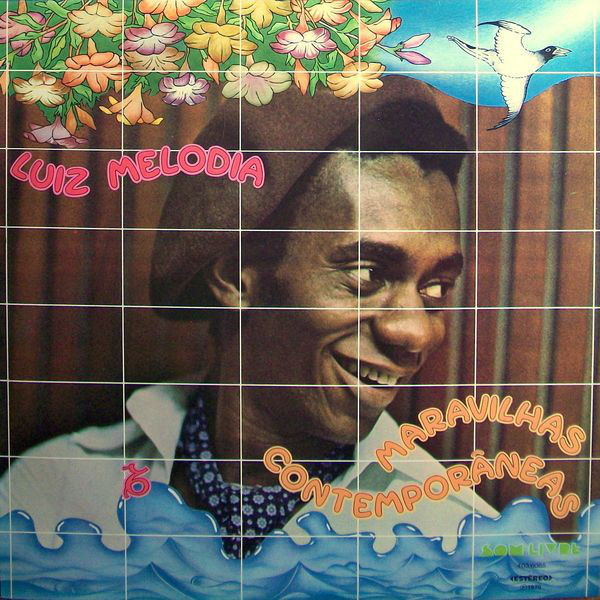
 View Artist