Song Meaning
The lyrics paint a stark picture of a world defined by systemic hardship and pervasive injustice. Phrases like "Tudo cruel, tudo sistema" immediately establish a sense of inescapable oppression. The narrator observes a cycle of struggle where effort yields no reward, encapsulated by "subo e nunca estou no céu." It's a raw, unflinching look at a harsh reality.
A core tension emerges from the contrast between individual struggle and an overwhelming, indifferent system. We see the "marginal que já não pode" facing inevitable confrontation, a figure pushed to the brink. This individual plight is set against the backdrop of a "falso dilema," suggesting that choices are an illusion within this cruel framework. The repeated warning, "bom ficar de olho aí," underscores a desperate need for vigilance in a treacherous environment.
The power of these lyrics lies in their relentless use of repetition and stark imagery to convey a suffocating sense of despair. The recurring "Tudo"—"Tudo cruel," "Tudo João," "Tudo tão mal"—hammers home the pervasive nature of the suffering. This is amplified by vivid, almost contradictory images like "doce de sal, lágrima presa," which perfectly capture a bitter, suppressed sorrow. The "Torre babel" reference further suggests a breakdown of understanding and communication, deepening the sense of isolation.
Ultimately, the lyrics resonate because they articulate a profound sense of silenced hope and agency. The lines "amor tá quase mudo" and "minha voz também" are particularly poignant, revealing a personal and collective exhaustion where even fundamental emotions and expressions are stifled. The recurring chorus, "Cruel é isso tudo," isn't just a statement; it's a resigned, almost weary acknowledgment that the entirety of this existence is defined by an inherent, inescapable cruelty, leaving the listener with a chilling sense of its weight.
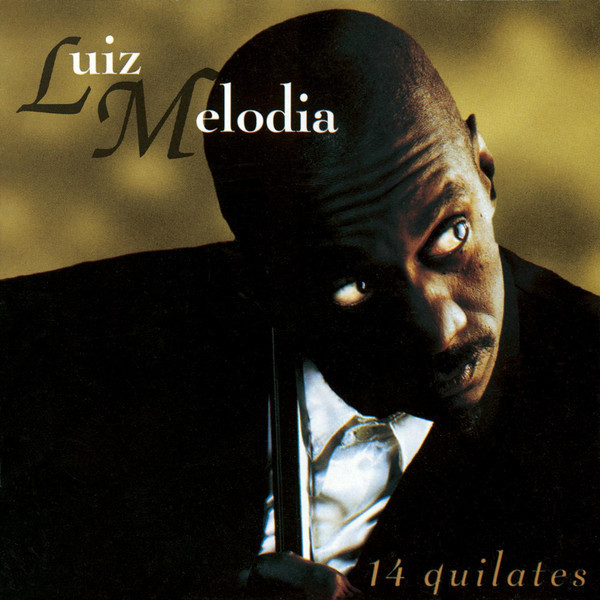
 View Artist