Song Meaning
This plea to God paints a stark picture of desperation born from relentless drought. The narrator, a "pobre coitado" (poor wretch), kneels and prays fervently for rain, but the plea is framed with a gnawing anxiety that the divine ear might be deaf or even angered. The core tension arises from the perceived misinterpretation or miscommunication with the divine, where a request for gentle rain to nurture life results in an overwhelming deluge, or perhaps the opposite, a complete withdrawal of the sun and any hope of precipitation. It's a prayer laced with self-doubt and a profound sense of helplessness against forces beyond control.
The lyrics highlight a poignant misunderstanding of divine will. The narrator admits to praying "direito" (correctly) and asks for forgiveness if their "oração" (prayer) was flawed, suggesting a deep-seated fear that their own inadequacy is the cause of their suffering. This self-recrimination intensifies the emotional weight, as the external crisis of drought is mirrored by an internal crisis of faith and self-worth. The repeated apologies and pleas for forgiveness underscore a feeling of being unworthy or incapable of articulating needs in a way that will be heard.
The most striking aspect is the raw, almost childlike directness of the requests and the subsequent fear of divine retribution. The narrator asks for the sun to hide "um tiquinho" (a little bit) and for rain to fall "de mansinho" (gently), only to then lament the "inferno / Que sempre queimou o meu Ceará" (hell / That always burned my Ceará). This contrast between the modest, hopeful request and the devastating reality of the scorched land reveals the immense gap between the narrator's desires and their circumstances. The lyrics suggest a profound, almost tragic, irony in the act of prayer itself when faced with such extreme environmental hardship.
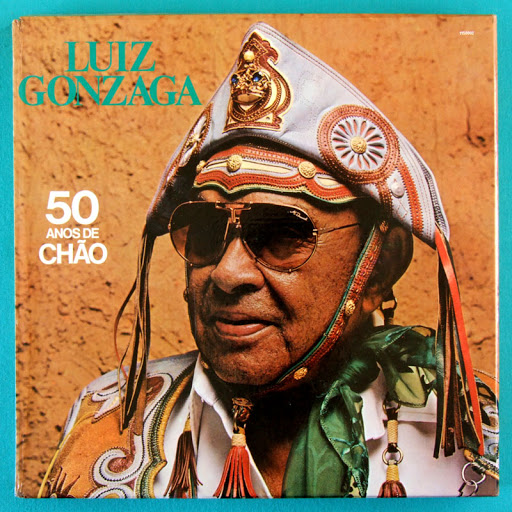
 View Artist