Song Meaning
The lyrics paint a vivid picture of a marketplace scene, centered around the "feira do Pilar" and the purchase of flour. The initial lines establish a simple, almost mundane plan: a walk to buy flour, contingent on the weather. This sets a grounded, everyday tone, hinting at the routines and simple desires of the narrator.
The true focus quickly shifts to the captivating "Catarina" and her mother, "Sá Lariquinha." Catarina's "óio gatiado" (cat-like eyes) are described as having "veneno de serpente" (serpent's venom) and being "mais quente que o sol de Quixadá" (hotter than the Quixadá sun). This potent imagery suggests a powerful, almost dangerous allure that completely distracts the men at the "bodeguinha," making them overlook the quality of the flour and even their change. The contrast between the poor quality of the goods and the men's infatuation is stark and humorous.
Later, a new character, "Sá Marquinha," emerges, seemingly in charge of the flour business and amassing wealth. She is described as "ladina" (cunning) and keeps a close watch on Catarina, preventing her from "namorar com ninguém" (dating anyone). The lyrics imply that Sá Marquinha's tight control over Catarina is tied to her own financial success, perhaps seeing Catarina's potential marriage as a threat to her business or her own proximity to the "barcão." The narrator observes that if Catarina doesn't find a husband, she'll "ficar no barracão" (stay in the shack), highlighting a potential bleak future dictated by circumstance and her mother's machinations.
What makes these lyrics so effective is the sharp, almost observational humor and the way they capture a specific social dynamic. The language is colloquial and rich with regional flavor, bringing the marketplace to life. The narrative builds from a simple errand to a complex interplay of attraction, commerce, and maternal control, all observed with a keen, slightly detached eye. The repeated chorus about the flour purchase acts as an anchor, grounding the more dramatic character interactions in the everyday reality of the market.
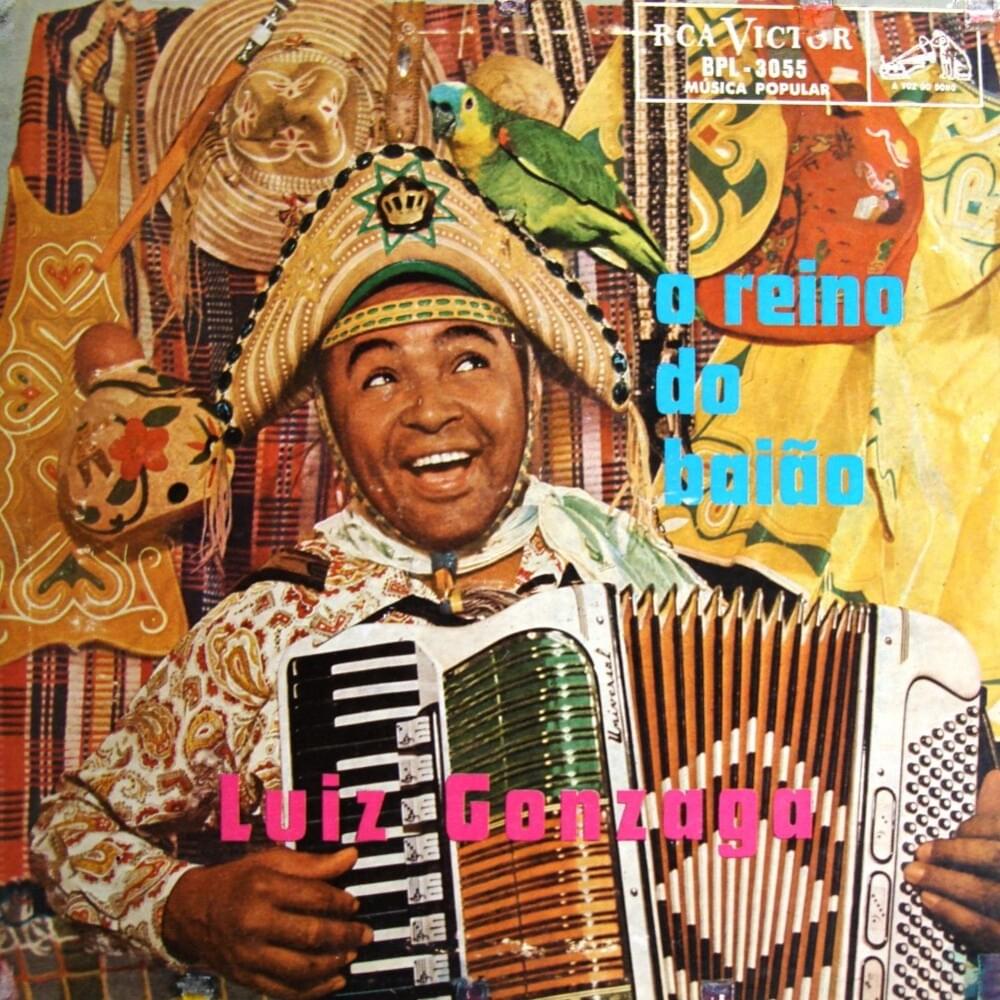
 View Artist