Song Meaning
The lyrics paint a vivid picture of a boiadeiro's daily life, a cattle herder whose existence is punctuated by the rhythm of the road and the warmth of home. The repeated refrain, "Vai boiadeiro que a noite já vem" (Go, herder, for the night is coming), acts as a constant reminder of the day's end and the pull of domestic life. This isn't just about returning home; it's about returning to a cherished connection, a "teu bem" (your loved one).
The central tension lies in the contrast between the vastness of the herder's work and the intimate scale of his affection. He drives his herd, his "boiada," to pasture, but the lyrics emphasize the smallness of his flock – "dez fiinha" (ten little ones) – and his daughter, "pequenina é miudinha" (tiny, petite). Yet, this smallness is immediately reframed with profound affection: "mas não tem outras mais bonitas no lugar" (but there are none more beautiful in their place). This isn't a lament about scarcity but a celebration of what is precious and unique within his world.
The most striking craft element is the deliberate repetition of the phrase "é quase nada" (it's almost nothing) followed by its powerful negation. This structure highlights how the narrator perceives his possessions and family not by their quantity or size, but by their immeasurable value to him. The "boiada" might be small, the "fiada" (children) few, and his beloved Rosinha "miudinha," but in the context of his love and devotion, they are everything.
This lyrical approach is effective because it grounds abstract feelings of love and belonging in concrete, everyday imagery. The simple, almost childlike language mirrors the sincerity of the emotions. The cyclical nature of the day – morning, afternoon, evening – reinforces the steady, unwavering presence of both his labor and his love, making the eventual reunion with his family the undeniable emotional anchor of his life.
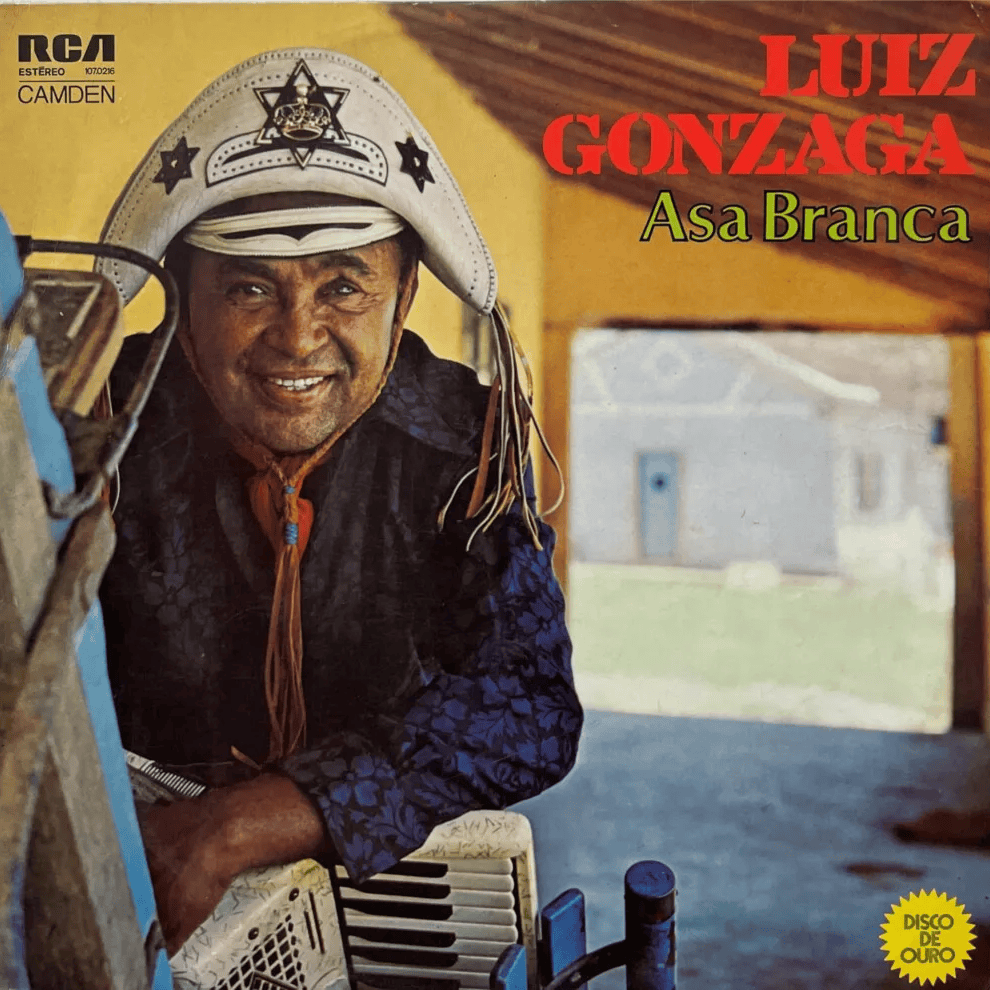
 View Artist