Song Meaning
The lyrics paint a stark picture of drought-stricken land where life struggles to persist. When the harvest fails, the sabiá bird falls silent, and essential crops like corn and beans don't grow. This hardship forces people from regions like Paraíba and Ceará into becoming 'retirantes,' migrants forced to leave their homes, carrying their songs of hardship with them.
The central plea is a desperate prayer for rain, specifically invoking São Pedro, the patron saint of fishermen and often associated with weather. The narrator isn't asking for a deluge, but even a "chuvisqueiro, chuvisquinho" – a drizzle or a light mist – would be a blessing. This humble request highlights the extreme scarcity, where any moisture is a lifeline.
The turning point arrives with the arrival of rain, described as "garoa," a gentle rain. This is immediately followed by the sabiá's song returning and a period of abundance, "tanta da fartura." The return of life and prosperity is so profound that the 'retirante' is able to go back home, signifying the end of their forced migration and a restoration of their livelihood.
This narrative arc, from desolation to hope and return, is powerfully conveyed through the contrast between the dry earth and the life-giving rain. The simple, almost childlike "Tra, lá, lá, lá" refrain acts as a recurring motif, underscoring both the persistent hardship and the eventual relief, making the final "Graças a Deus / Choveu garoou" a moment of profound gratitude.
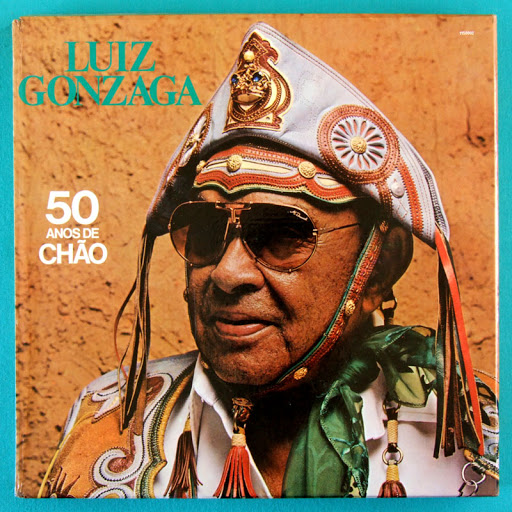
 View Artist