Song Meaning
The lyrics immediately plunge into a scene of a speaker returning to a lover, demanding physical affection while simultaneously shutting down any discussion of the past. There's an urgent, almost desperate tone, as if the reunion is conditional and fragile. The speaker asserts a lasting impact, claiming "el amor que te he dado No podrás olvidar."
The central emotional tension lies in the speaker's desire for reunion clashing with a stark refusal to address past grievances. The repeated line, "No me preguntes nada Que nada he de explicarte," creates an impenetrable wall, suggesting deep-seated, unresolved conflict. This insistence on silence is immediately followed by a demand for physical intimacy, hinting at a desire to bypass emotional reckoning altogether.
A striking craft element is the repeated contrast between the speaker's plea for physical closeness and the insistence on secrecy. The speaker asks the lover to "une tu labio al mío" and "estréchame en tus brazos," yet warns, "Las cosas que te digo, no repitas jamás." This implies a conditional intimacy, where physical connection is sought, but verbal processing or the sharing of intimate words is strictly forbidden. The plea for "Por compasión" rather than love further underscores the fragility and perhaps the transactional nature of this desired reunion.
These lyrics are effective because they paint a vivid picture of a relationship fraught with unspoken history and a desperate, almost manipulative attempt at reconnection on the speaker's terms. The raw, complex dynamic – demanding affection while refusing accountability – captures a powerful, if unhealthy, longing. It leaves the listener with a poignant sense of unresolved pain and a love that struggles to escape its past.
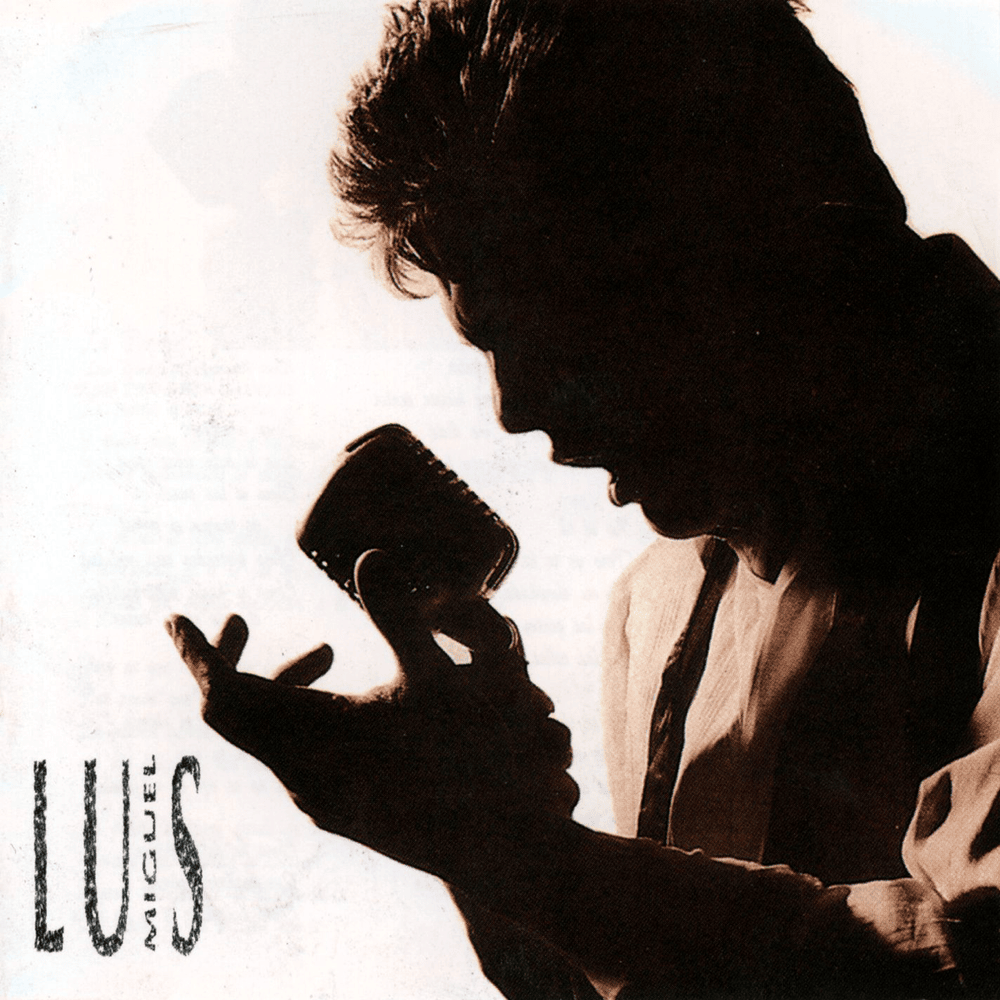
 View Artist