Song Meaning
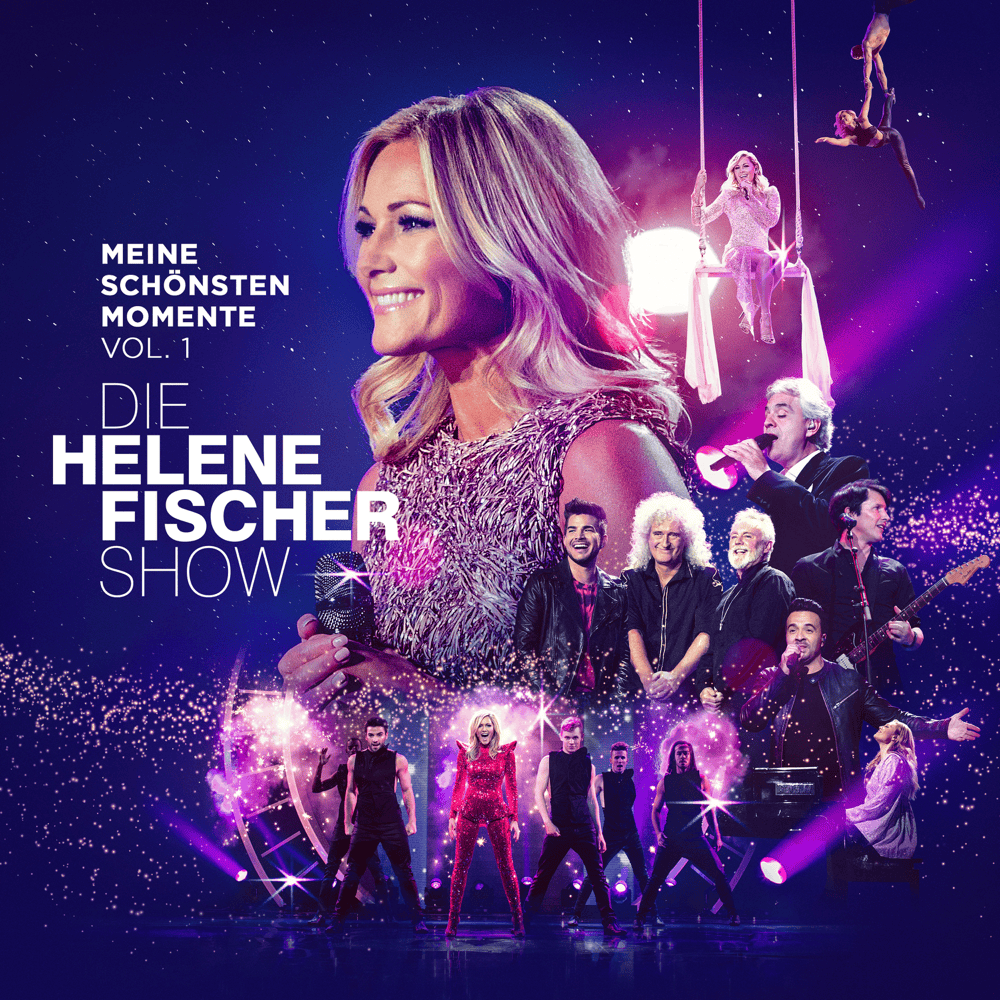
Helene Fischer's collaboration with Adam Lambert on "Who Wants To Live Forever" isn't just a vocal showcase; it's a poignant meditation on mortality and the ephemeral nature of love. The song's core question isn't a literal desire for immortality, but rather a challenge to the listener: can you truly embrace love knowing it's destined to end? The opening verses establish a sense of fatalism, a world where time and space conspire against lasting connection. It acknowledges the inherent tension between our longing for permanence and the transient reality of human existence. The almost rhetorical question of 'Who wants to live forever?' challenges the listener to confront the implications of a life without end, especially in the context of love's inevitable demise.
The lyrics subtly shift from a lament about fleeting time to a defiant embrace of the present. The bridge becomes a pivotal moment. The act of 'touching tears' and 'touching the whole world' transforms into an assertion of seizing the moment. 'Forever is our today' isn't a naive promise of immortality, but a conscious decision to fully experience love within the confines of time. It’s a high-stakes gamble, acknowledging the pain of eventual loss while choosing the intensity of present connection over the safety of emotional detachment. This interpretation offers a contrast between the cold, abstract idea of eternal life and the warm, immediate reality of human connection.
Ultimately, the song’s meaning is found in the shared vulnerability of Fischer and Lambert’s vocals. Their intertwined voices suggest that the burden of mortality and the challenge of loving fully are universal experiences. The final lines, 'Who waits forever anyway?' deliver the ultimate punchline. The sentiment underscores the futility of waiting for some indefinite future when love might be 'safer'. Instead, the song advocates for a radical acceptance of the present, urging listeners to dive headfirst into love, even when knowing that its flame will eventually fade. The song is less about the wish for endless life and more about the courage to love deeply within the boundaries of a finite one.
 View Artist