Song Meaning
The lyrics paint a picture of a wedding that the narrator is pointedly excluded from, yet fixated on. There's an immediate, almost aggressive dismissal of any dissent: "El que tenga algo que decir / Que se calle la boca." This sets a tone of forced celebration, masking an underlying tension. The narrator insists the wedding "tiene que ser la mejor," a phrase repeated like a mantra, juxtaposed with details like champagne and piña colada, suggesting a superficial grandeur. The insistence on it being the "best" feels less like genuine joy and more like a desperate attempt to control the narrative or prove something.
The central conflict emerges from the narrator's exclusion and lingering resentment. "A la boda de ella yo no voy a poder ir / Porque ella fue mí querer y me lo tiene prohibido." This reveals a past relationship and a current ban, fueling the narrator's bitterness. The line "Y pude haber sido yo quien se casara con ella" crystallizes the regret and the sting of what might have been. This isn't just about missing a party; it's about the ghost of a lost future, a life that could have been theirs.
The writing cleverly uses the wedding as a recurring motif to explore themes of past love and present bitterness. The seemingly innocuous details – the need for a godmother, godfather, and ring bearer – are twisted into a commentary on the narrator's absence and the perceived flaws of the couple. The line "A tu carácter nunca se acostumbrará" hints at underlying issues with the bride or groom, suggesting the narrator sees this union as doomed despite the forced celebration. The final lines about the "novia que esconde su pecado" introduce a dramatic, almost soap-opera-like twist, implying a hidden scandal that the narrator seems eager to expose or at least acknowledge.
This track hits hard because it captures the raw, often petty, emotions that linger after a breakup, especially when confronted with an ex's new life. The narrator’s obsessive focus on the wedding, coupled with their insistence on its perfection, creates a palpable sense of unresolved pain and perhaps a touch of schadenfreude. The specific, almost mundane details about the wedding preparations, contrasted with the narrator's deep-seated resentment and suspicion, make the emotional landscape feel incredibly real and unvarnished.
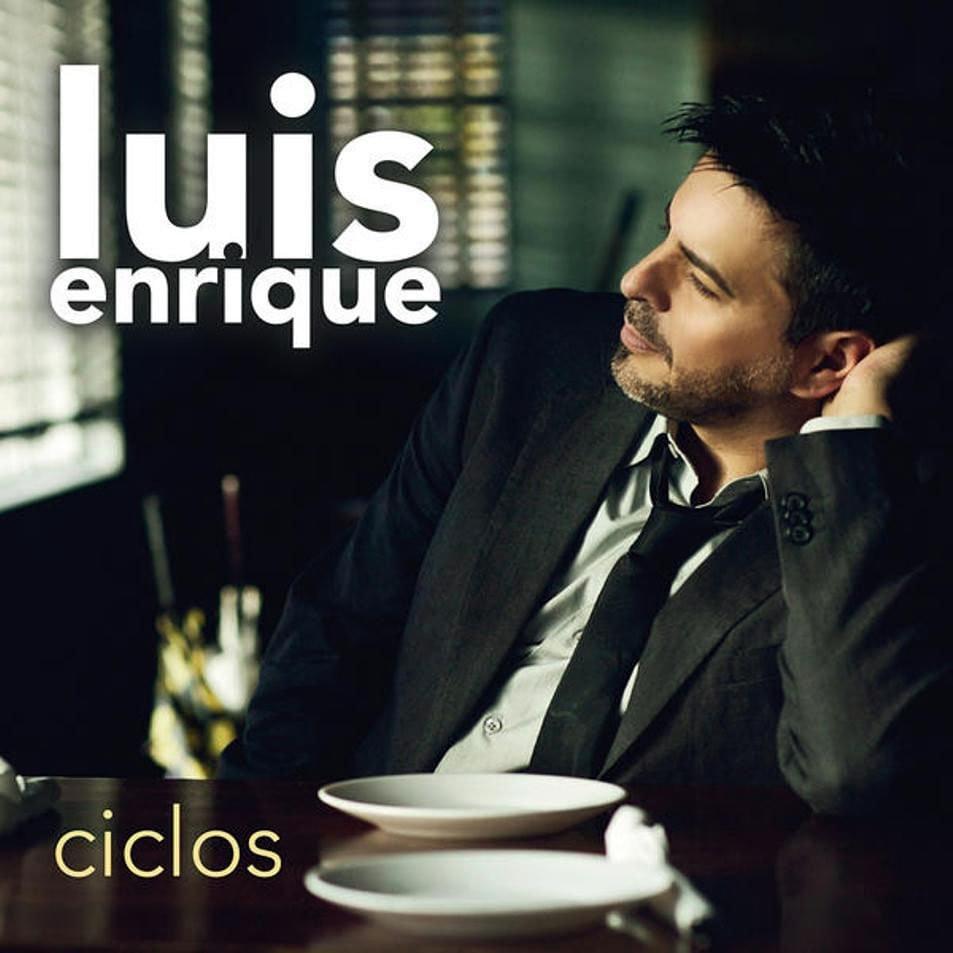
 View Artist