Song Meaning
The lyrics paint a picture of a collective human experience, facing the world with an open, almost vulnerable posture. The repeated phrase "Al vent" (to the wind) establishes a sense of exposure and surrender, suggesting a willingness to be carried by forces beyond one's control. This isn't a passive resignation, though; it's an active stance, with "la cara al vent" (face to the wind), "el cor al vent" (heart to the wind), and "les mans al vent" (hands to the wind) all implying an openness to what comes.
Beneath this outward facing attitude lies a shared internal struggle. The lines "Tots plens de nit" (all full of night) and the subsequent search for "la llum" (light), "la pau" (peace), and "a déu" (God) reveal a deep-seated yearning for solace and meaning amidst darkness. This contrast between external openness and internal searching creates a powerful emotional tension, highlighting the universal quest for something more.
The most striking aspect is the cyclical nature of the imagery and the acknowledgment of life's inherent difficulties. The lyrics directly state, "La vida ens dóna penes" (life gives us sorrows) and "Ja el nàixer és un gran plor" (birth is already a great cry), grounding the search for light in a stark reality. Yet, the refrain of facing the wind persists, suggesting that even with the awareness of pain, the act of facing it openly is the chosen response.
This persistent, open-faced approach to life's inherent sorrows is what makes these lyrics resonate. It’s not about denying the pain, but about confronting it with a spirit of openness and a hopeful, albeit uncertain, search for peace. The repetition of the core phrases reinforces this enduring human spirit, finding a way to stand, exposed but unbowed, "Al vent del món" (to the wind of the world).
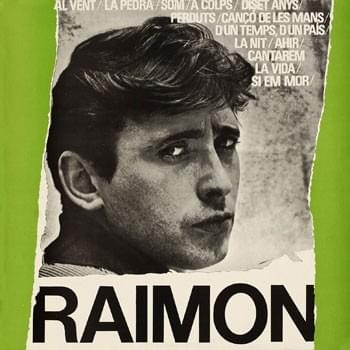
 View Artist