Song Meaning
The lyrics grapple with the elusive nature of time, suggesting that the future, which will inevitably become the past, never truly sets its own clock. Instead, the only constant is the present moment, the "incierto 'ahora,'" which is paradoxically always already gone. This fleeting present is described as a "dream and myth," something created by chance rather than a tangible state of being. The narrator seems to perceive existence itself as a riddle, a concept that dies at birth, leaving only the immediate, yet ephemeral, now.
The central tension lies in the futility of waiting or anticipating. The lyrics repeatedly invoke "espera" (waiting), contrasting the "cifrada espera" (coded wait) with "tácticas de espera" (waiting tactics), all underscored by the insistent "tic-tac." This rhythmic ticking, however, doesn't signify progress toward a future event but rather the relentless, almost mocking, passage of moments that never quite arrive or are instantly lost. The present is a "mirage" that flees itself, running "against the clock."
A striking craft element is the play on words between "espera" (waiting) and "espejismo" (mirage), and the phonetic echo in "tác-ti-ca" (tactics) mirroring the "tic-tac." This linguistic mirroring reinforces the idea that our strategies for dealing with time are as illusory as time itself. The lyrics suggest that even love, when it appears at a crossroads, is a brief spark, a moment of self-recognition between two people that exists only in its immediate, vanishing instance.
Ultimately, the effectiveness of these lyrics stems from their philosophical yet grounded portrayal of temporal anxiety. By focusing on the immediate, almost physical sensation of time slipping away – the "tic-tac" – and framing it as a cosmic joke or a trick of perception, the writing creates a profound sense of existential unease. The final lines offer a glimmer of meaning not in enduring time, but in the fleeting, mutual recognition that occurs within it, a brief "you and I" that momentarily defines the ephemeral present.
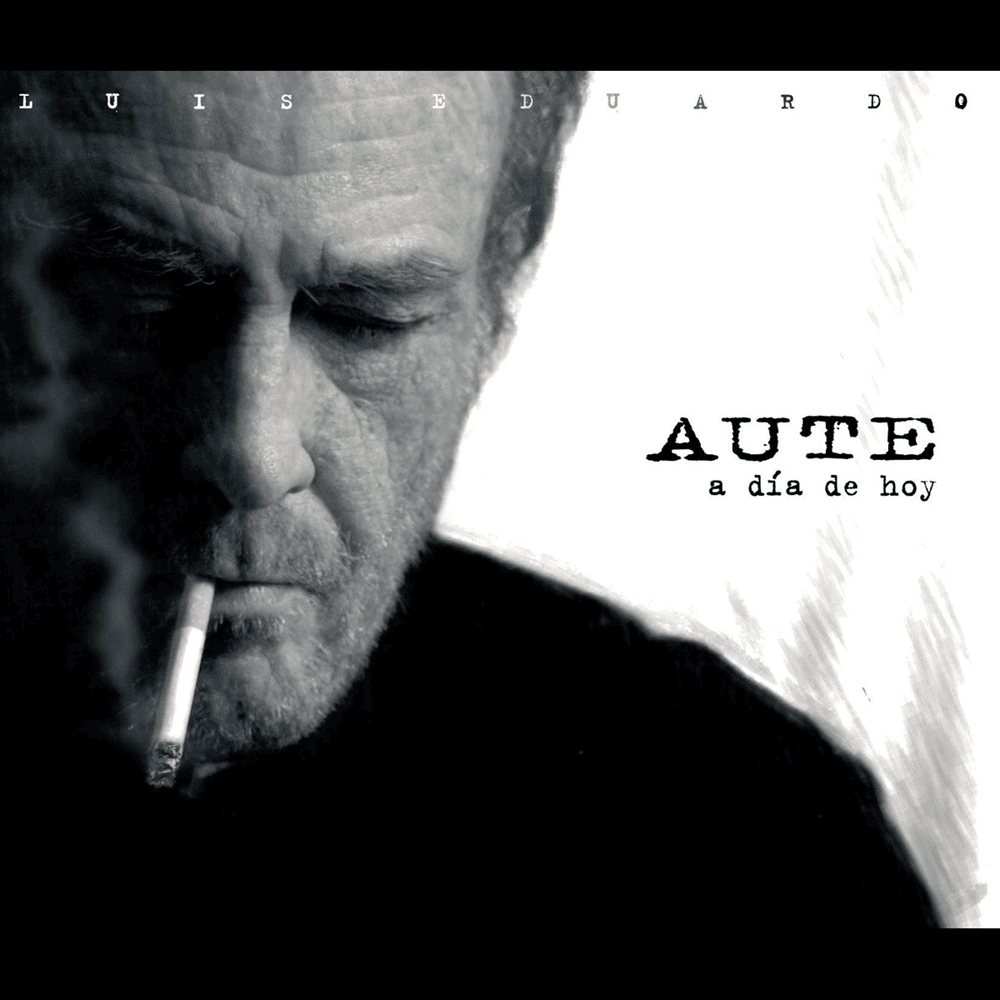
 View Artist