Song Meaning
The narrator is on a quest for an all-encompassing love, one that embraces the full spectrum of human emotion – joy and pain, anger and pleasure. This ideal love is also meant to be eternal and forgiving, a difficult balance to strike. The immediate realization that such a love is as improbable as finding "roses in the sea" sets a tone of weary idealism. This opening establishes the core tension: a deep yearning for something profound and perfect in a world that feels inherently flawed.
The lyrics then pivot to a broader disillusionment with deceit and falsehood, questioning the motivations behind dishonesty and the elusive nature of truth. The narrator observes a pervasive "falsedad" (falsehood) and "mentira" (lie) that seems to be an "obsesión" (obsession) for some. This societal critique amplifies the personal search for genuine connection, suggesting that the difficulty in finding true love is mirrored by the difficulty in finding genuine truth or understanding in the world.
A powerful plea for "libertad" (freedom) emerges as a fundamental need for survival, presented as a universal "derecho de la Humanidad" (right of humanity). Yet, this demand is met with resistance, as "no quieren oír" (they don't want to hear). This section highlights a conflict between individual necessity and societal unwillingness to acknowledge or grant basic freedoms, further isolating the narrator and reinforcing the feeling that their desires are unattainable.
Ultimately, the narrator expresses a desire to escape the world's "maldad" (evil) and find a solitary place "perdido en el mar" (lost at sea) to forget and "morir en paz" (die in peace). This profound weariness, coupled with the repeated refrain, "Es mas fácil encontrar Rosas en el mar" (It's easier to find roses in the sea), underscores a deep sense of resignation. The lyrics effectively convey a feeling of profound isolation and the immense difficulty of finding genuine love, truth, or peace in a world perceived as fundamentally deceptive and resistant to fundamental human needs.
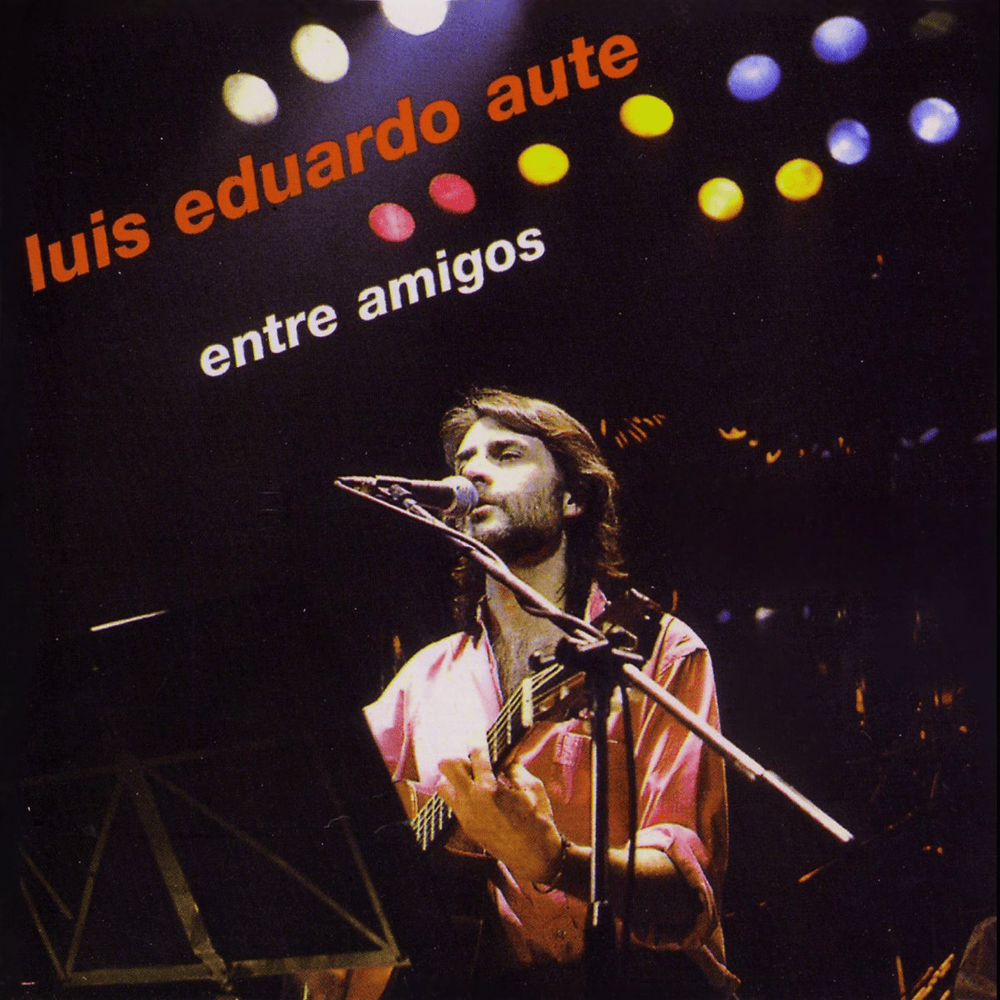
 View Artist