Song Meaning
The lyrics paint a stark, visceral picture of intense emotions and painful experiences, all framed by the recurring motif of "Rojo sobre negro" – red on black. This initial image, a fallen red rose on cold asphalt under rain, immediately establishes a tone of beauty succumbing to harsh reality. The narrator’s futile chase after the rose, which slips away in the wind, suggests a deep-seated struggle with loss and the elusiveness of something precious.
The second verse intensifies this feeling with the image of "labios en la oscuridad" (lips in the darkness) igniting with "llamas que se encienden" (flames that ignite), driven by "ansiedad" (anxiety). The narrator’s decision to kiss them, "preso de mi sed" (prisoner of my thirst), leads to being burned, a potent metaphor for the destructive nature of consuming desire or perhaps a toxic relationship. The repetition of "Cuando me quemé" (When I burned myself) underscores the searing pain of this encounter.
The third verse shifts to a more somber, political-tinged imagery: the blood of a fallen soldier, "sangre del soldado que cayó," beneath the flag of his killer. This "héroe sin nombre" (nameless hero), a "mártir sin honor" (martyr without honor), represents a profound sense of betrayal and the ultimate futility of sacrifice for a cause that leads only to destruction. The stark contrast between the soldier's fallen state and the lack of recognition – "Ni tumba ni laureles" (Neither tomb nor laurels) – highlights the tragic anonymity of the defeated.
Ultimately, the recurring phrase "Rojo sobre negro" acts as a powerful, unifying visual that connects these disparate scenes of loss, painful desire, and political disillusionment. The repetition of the fallen rose in the outro brings the narrative full circle, suggesting that the cycle of beauty destroyed and painful experiences is an ongoing, inescapable reality for the narrator.
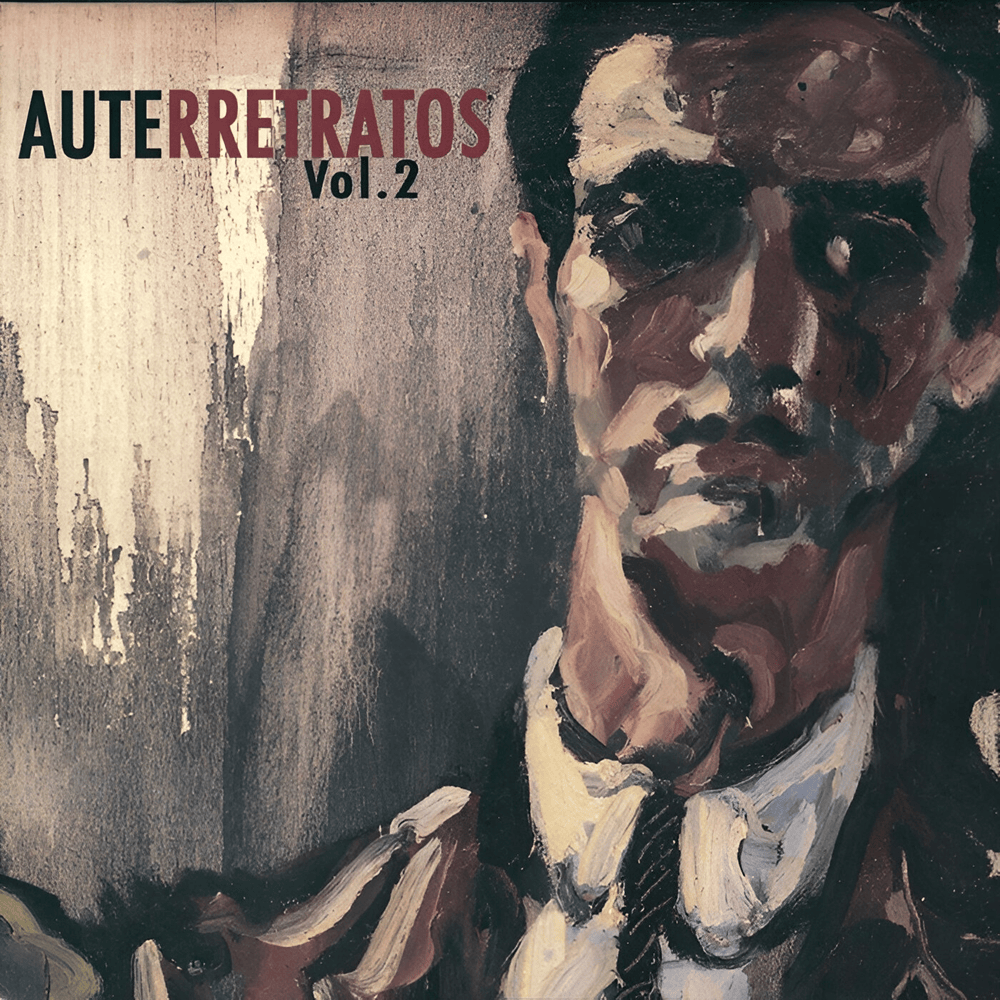
 View Artist