Song Meaning
The lyrics paint a stark, somber portrait of a life cut short, a potential unfulfilled, presented as a wilting "pétalo" (petal). The opening lines immediately establish a sense of finality, with the subject found "En la página once, muerto" (On page eleven, dead), clinging to the last words of a poem pleading for a chance to "nacer" (be born). This juxtaposition of death and the desperate desire for life creates a poignant, almost suffocating atmosphere, underscored by the lingering scent of a "flor que no pudo ser" (flower that couldn't be).
The central tension arises from the violent imagery of destruction and suppression. The "pétalo" is later described as "De sangre cubriendo tu cuerpo" (Blood covering your body), a victim of an "asesina" (assassin) tarantula weaving its web, suggesting external forces actively extinguishing this nascent life. The entire "paisaje en agonía" (landscape in agony) mirrors this death, emphasizing a collective loss tied to the silencing of this individual.
The recurring motif of scent, "Huele el poema todavía" (The poem still smells) and "Huelen los aires todavía" (The air still smells), is a powerful sensory detail. It suggests that even in death, the essence or potential of what was lost remains palpable, a ghostly presence. The comparison to a "ave picaflor sin vuelo" (hummingbird without flight) further solidifies the idea of arrested potential, a vibrant force unable to soar or express itself, now trapped "solo sin el día" (alone without the day) and crossing "la sombra" (the shadow).
Ultimately, the lyrics resonate through their stark portrayal of extinguished potential and the lingering, mournful echo of what might have been. The deliberate, almost ritualistic imagery of death and decay, contrasted with the desperate plea for life and the persistent scent of what was lost, crafts a powerful elegy for a silenced voice and a crushed spirit.
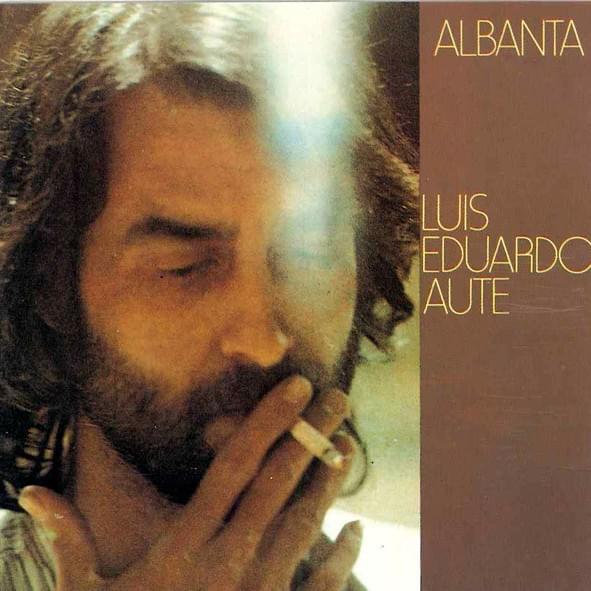
 View Artist