Song Meaning
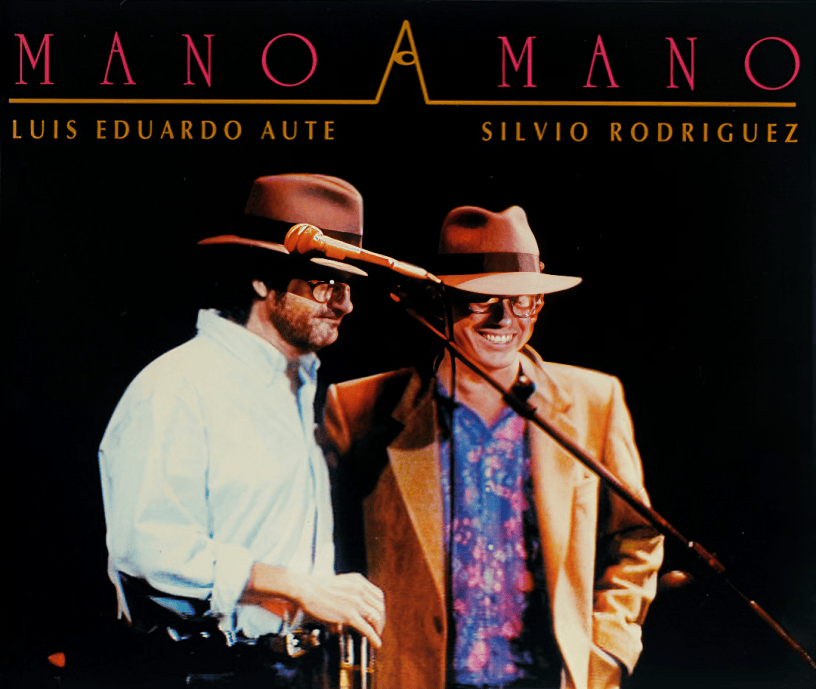
This live rendition of "Las Cuatro y Diez" paints a poignant picture of a relationship marked by routine and subtle distance, framed by specific, almost mundane memories. The opening verse immediately grounds us in a shared past, recalling a first kiss in a cinema, a moment tinged with youthful rebellion and a touch of official scrutiny. The contrast between the romanticized "este de Edén" and the mundane "triste inspector" sets a tone where significant events are interwoven with everyday details, like a French class or waiting for someone at a cafe.
The core tension arises from the narrator's present-day interaction, which feels like a performance of connection rather than genuine intimacy. The narrator anticipates the other person's polite, dismissive response ("muy bien") and offers a faded photograph, a relic of a past that includes a newborn, suggesting a long shared history that might now feel distant. The mundane requests for coffee or ice cream, juxtaposed with the underlying pressure of time ("no sea / Que no llegues a la hora al almacén"), highlight a sense of obligation and a lack of deep engagement.
The most striking craft element is the relentless ticking clock, culminating in the repeated phrase "ya son las cuatro y diez." This isn't just a time; it's an urgent command, a signal of departure and perhaps the end of the interaction, or even the relationship's current phase. The narrator's insistence on haste, "Date prisa," feels less like excitement and more like a desire to conclude the encounter, pushing the other person out the door and back into their separate routines.
Ultimately, the lyrics resonate because they capture the quiet melancholy of a relationship that has settled into a predictable pattern, where grand gestures have faded into the background noise of daily life. The specific, almost photographic details – the lips like paper, the ugly photo, the cafe table – make the emotional undercurrents of unspoken feelings and fading connection feel incredibly real and relatable, even without grand declarations.
 View Artist