Song Meaning
This song paints a vivid picture of a specific, almost cinematic first encounter, tinged with youthful awkwardness and a hint of illicit thrill. The opening lines place the scene in a cinema, referencing James Dean and a white house, immediately establishing a retro, slightly rebellious atmosphere. The narrator recalls a first kiss, describing the partner's lips as "paper," suggesting a delicate, perhaps fragile, or even unformed quality to the moment and the person. The subsequent encounter with a "sad inspector" asking for IDs adds a layer of minor transgression, reinforcing the feeling of a clandestine or forbidden rendezvous.
The core tension emerges from the contrast between the romanticized past and the mundane present, and the narrator's own unreliability. The memory of the first kiss is juxtaposed with a later scene where the narrator is late for a meeting, making the partner wait "an hour and a half." This lateness, framed by the mundane detail of French class, highlights a pattern of the narrator causing delays, a subtle but persistent disruption to the relationship's flow. The narrator's self-awareness of this is evident in the apology, however understated.
The lyrics masterfully weave together specific, almost mundane details to create a palpable emotional texture. The offer of "strawberry ice cream" or "coffee" feels incredibly grounded, a stark contrast to the dramatic imagery of the opening. The narrator’s observation that the partner will likely respond "very well" even when not, hints at a practiced politeness or perhaps a weariness in the interaction. The abrupt shift to the bill and the reminder about the partner needing to get to the "store" by a certain time, culminating in the urgent "hurry, it's already four-ten," underscores a persistent pressure and a sense of time running out, a recurring theme that seems to define their interactions.
What makes these lyrics so effective is their ability to capture the quiet melancholy of routine and the subtle ways time and habit can erode even seemingly significant moments. The specificity of the details—James Dean, paper lips, French class, strawberry ice cream, the exact time—grounds the narrative in a relatable reality. The narrator’s internal monologue, particularly the self-conscious awareness of their lateness and the partner’s likely polite deflection, reveals a complex dynamic. The final, urgent plea to hurry, "it's already four-ten," encapsulates the feeling of a relationship perpetually on the verge of being too late, a quiet anxiety that resonates long after the song ends.
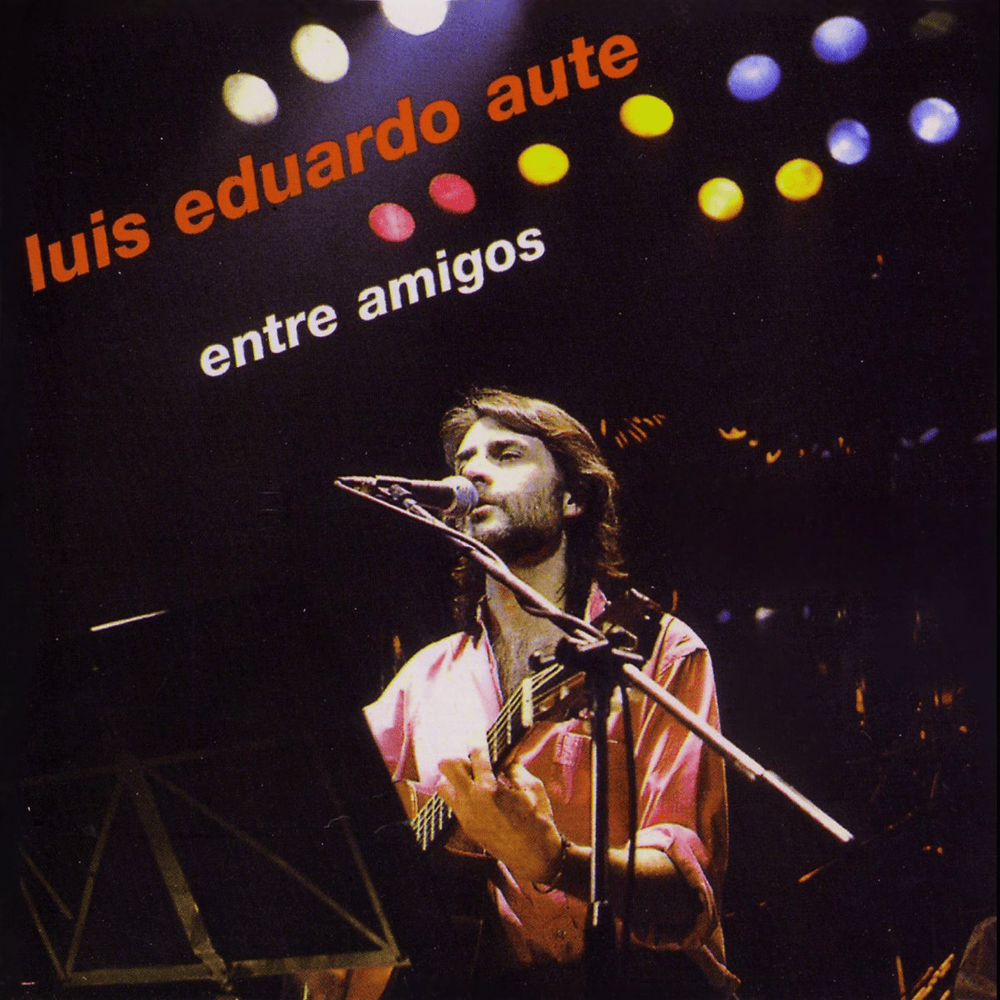
 View Artist