Song Meaning
The lyrics paint a picture of a solitary, almost numb existence, set against the backdrop of a city at night. The narrator is smoking, the streets are noisy with untold stories, and their eyelids offer no resistance, suggesting a profound weariness or detachment. Even the natural world seems indifferent, with cats making love while the narrator feels a deep physical ache and a tear betrays their suppressed emotion. This verse establishes a mood of melancholic observation and internal struggle.
The core tension lies in the repeated, contradictory chorus: "No pienso en ti / Pienso en ti / En ti." This stark juxtaposition reveals a mind consumed by the very person they claim not to be thinking about. The simple, direct repetition of "En ti" after the denial underscores the inescapable nature of this fixation, highlighting an internal conflict where conscious thought battles against overwhelming subconscious preoccupation.
The imagery becomes increasingly stark and unsettling in the third verse. The air smells of a tomb, smoke, and a noose, creating a suffocating atmosphere of decay and despair. The narrator is physically hurting themselves by burning their fingers, yet the indifferent cats remain unaware, and a dog's lick offers a fleeting, almost pathetic, moment of connection. This contrast between the narrator's internal torment and the external world's obliviousness, including the shift from a barking dog to a licking one, amplifies the sense of isolation.
Ultimately, the effectiveness of these lyrics stems from their raw, unvarnished depiction of obsessive thought and emotional exhaustion. The direct, almost blunt language, combined with the visceral imagery and the central paradox of the chorus, creates a powerful sense of internal paralysis. The narrator is trapped in a cycle of denial and fixation, their physical sensations and the surrounding environment serving as stark mirrors to their inner turmoil, making the unspoken presence of 'you' feel devastatingly real.
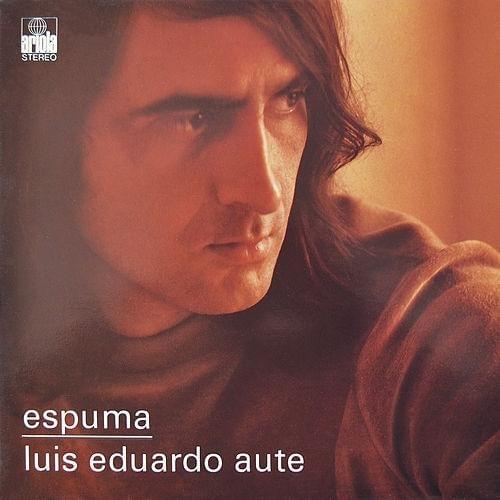
 View Artist