Song Meaning
The lyrics paint a picture of a deeply intimate, almost sacred, yet forbidden connection. The repeated phrase "Dulce carne, amiga impura" immediately establishes a duality: a sweetness and purity in the "carne" (flesh) contrasted with the impurity of the "amiga" (friend). This isn't a simple love song; it's an exploration of a relationship that exists in liminal spaces, "en el ruido de las lunas / En los soles del silencio" – moments of chaotic beauty and quiet intensity. The narrator finds a paradoxical rebirth within this connection, stating "Donde nazco cuando muero," suggesting that this intense, perhaps destructive, bond is where they truly come alive, even as it leads to their demise.
The central tension lies in the destructive yet alluring nature of this relationship. The "liberada espuma" (freed foam) that has "mojado nuestros cuerpos" (wet our bodies) evokes a sense of passionate, perhaps messy, indulgence. Yet, the narrator also foresees a bitter end: "Sólo un poso de amargura / Quedará como recuerdo" (Only a dreg of bitterness / Will remain as a memory). This acknowledgment of future pain doesn't deter them from seeking solace in the present, asking to be kept "en tu calentura / De demonios y de inciensos" (in your fever / Of demons and incenses), a plea for immersion in both the dangerous and the spiritual aspects of their shared experience.
The most striking craft element is the persistent oxymoron of "Dulce carne, amiga impura." This isn't just a label; it's the core of the narrator's experience. The flesh is sweet, implying natural beauty and pleasure, but the friend is impure, suggesting transgression or a forbidden nature. The imagery of being "moldeada en barro tierno" (molded in tender clay) further emphasizes a sense of creation and vulnerability within this impure bond. The lyrics suggest that this duality is not a contradiction to be resolved but the very essence of what makes the connection so potent and, ultimately, so devastating.
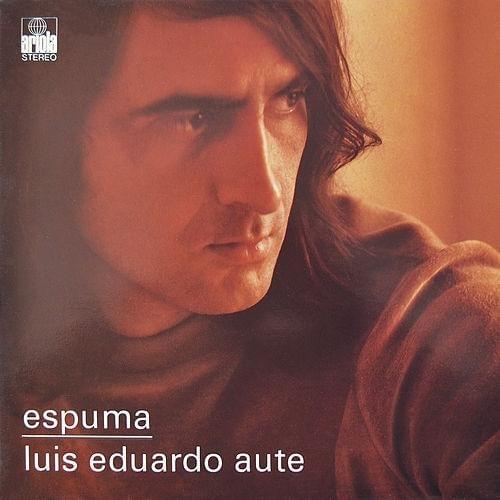
 View Artist