Song Meaning
The lyrics paint a stark, internal landscape of longing and self-deception. The narrator recalls a vivid, almost spectral image of a lover, "desnuda en la noche vacía," a memory that seems to fuel a painful self-awareness. This recollection isn't comforting; instead, it leads to embracing "mi propia mentira," suggesting a conscious choice to live with an illusion.
The core tension lies in the paradox of intense physical sensation born from absence and falsehood. The narrator's "sangre" reanimates, "tensando la carne dormida," and fingers "aprietan, amantes," creating a scene of simulated intimacy. Yet, this is a desperate act, a physical response to an internal void, highlighted by the repeated, devastating refrain: "Dentro me quemo por ti / Me vierto sin ti / Y nace un muerto." This phrase encapsulates the destructive nature of this self-generated passion, where creation leads only to a lifeless outcome.
The craft here is in the visceral, almost tactile imagery used to describe emotional states. The "piel que te hice en el aire" is a powerful metaphor for constructing a phantom lover, a tangible illusion born from imagination. This phantom "recibe un temblor de semilla," a potent image of potential life that ultimately fails to take root, leading to the "quieto cansancio" and the fading of the image. The contrast between the "dulce calor de saliva" and the preceding "ausencia de hambre" creates a complex, unsettling sensory experience.
Ultimately, the effectiveness of these lyrics stems from their unflinching portrayal of self-inflicted emotional torment. The narrator is trapped in a cycle of conjuring a lover from memory and desire, only to find that the act itself is sterile and leads to a profound sense of loss. The writing forces the listener to confront the destructive power of clinging to illusions, where even the most intense physical sensations are ultimately hollow and lead to a "muerto" – a dead end.
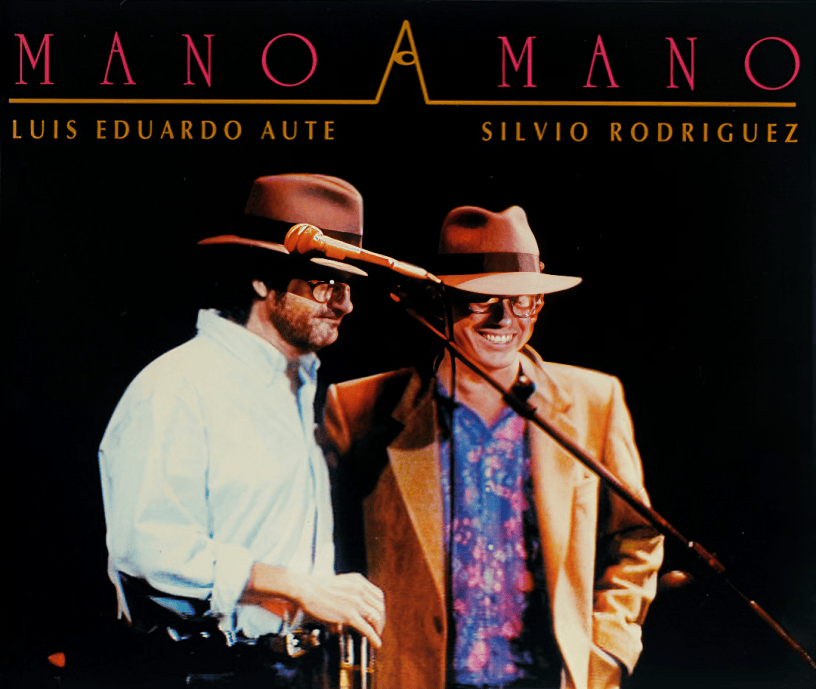
 View Artist