Song Meaning
The lyrics paint a stark picture of present-day reflection, marked by a profound sense of loss and existential uncertainty. The repeated phrase "A día de hoy" (As of today) anchors each stanza in a moment of reckoning, where past endeavors and perceived treasures now seem to have dissolved into nothingness. The narrator grapples with the idea that the "shadow I drag" has escaped, and that maps once held valuable "treasures" are now meaningless. This sets a tone of disillusionment, where the end of each life stage is met with a sense of emptiness, or "nada."
The central tension arises from the narrator's struggle with identity and purpose. While admitting to not knowing their origins or destination, a powerful counterpoint emerges: the assertion of self-knowledge found only in the presence of another. "I only know who I am / When I am / Inside of you." This suggests a dependence on a specific relationship for a sense of grounding, a fragile anchor in a sea of confusion. The lyrics imply that external forces like "Azar" (Chance) have dictated dreams, and that attempts to live independently, "without an owner," have proven futile, leading to a feeling of having "finished dying / in every endeavor."
The writing masterfully employs stark imagery and contrasting ideas to convey this emotional weight. The narrator speaks of finding no "lighthouse / in any port," a potent metaphor for a lack of guidance or safe harbor. Yet, paradoxically, "love was my voice / in the desert." This juxtaposition highlights a desperate search for meaning and connection in barren circumstances, where love, though perhaps unheeded or isolated, was the sole expression of life. The ultimate declaration, "living was another way / of being dead," encapsulates the deep-seated weariness and the feeling that existence itself has been a prolonged state of lifelessness, a conclusion drawn from a lifetime of perceived futility.
These lyrics resonate because they articulate a universal feeling of being adrift, while simultaneously pinpointing a specific, intimate source of self-definition. The raw honesty in admitting to not knowing one's path, coupled with the vulnerability of finding identity solely within another, creates a powerful emotional core. The stark, almost bleak, imagery of lost maps, deserts, and death underscores the intensity of this search for meaning, making the fleeting moments of self-awareness within a relationship feel profoundly significant. The craft lies in its directness, its unflinching gaze at emptiness, and its quiet revelation of where, for the narrator, a flicker of self can still be found.
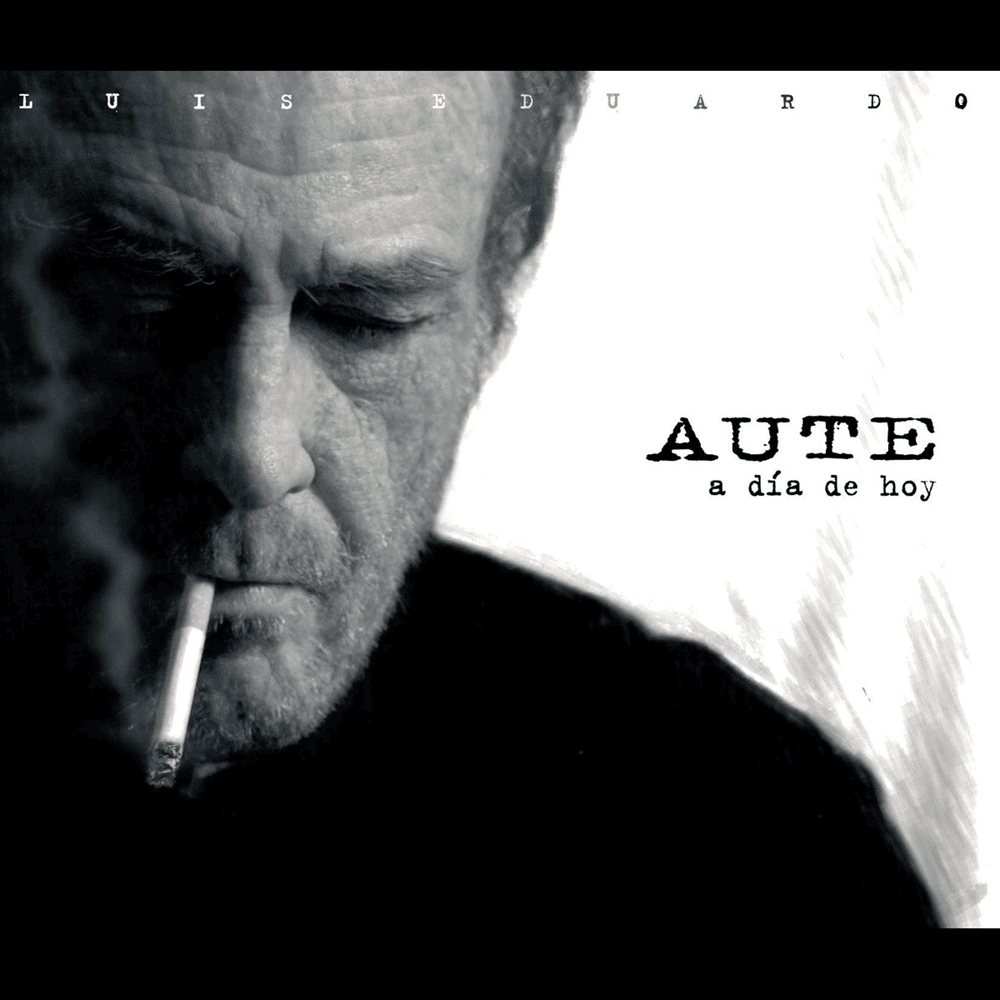
 View Artist