Song Meaning
The lyrics paint a stark picture of profound isolation and suffering, beginning with an anguished cry: "Gott! Welch Dunkel hier!" (God! What darkness here!). The narrator feels utterly alone, surrounded by a "grauenvolle Stille" (horrible silence) and an emptiness where "Nichts lebet ausser mir" (Nothing lives except me). This immediate sense of being abandoned in a desolate space sets a tone of overwhelming despair, a "schwere Prüfung" (heavy trial).
The central tension arises from the narrator's acceptance of this suffering as divinely ordained, stating, "Doch gerecht ist Gottes Wille!" (Yet just is God's will!). Despite the pain, there's a resolute refusal to complain: "Ich murre nicht!" (I do not grumble!). The lyrics suggest that this hardship stems from a past act of speaking truth, which resulted in "die Ketten sind mein Lohn" (the chains are my reward). This creates a conflict between the injustice of the punishment and the narrator's internal resolve to bear it.
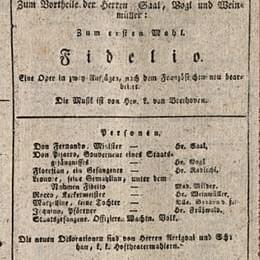
A striking shift occurs as the narrator perceives a change in the atmosphere, feeling a "linde, sanft säuselnde Luft" (gentle, softly rustling air). This sensory detail heralds a spiritual awakening or vision. The narrator's "Grab" (grave) is illuminated, and an angelic figure appears, described as resembling "Leonoren, der Gattin" (Leonore, the wife). This vision offers solace and a promise of deliverance, transforming the despair into a hopeful ascent to a "himmlische Reich" (heavenly kingdom).
What makes these lyrics so potent is the stark contrast between the initial, suffocating darkness and the eventual, radiant light. The narrator's unwavering commitment to duty, even in the face of severe punishment, provides a foundation for the transcendent experience. The appearance of an angelic figure, so closely tied to a lost loved one, grounds the spiritual release in personal connection, making the ultimate "Freiheit" (freedom) feel earned and deeply meaningful.
 View Artist