Song Meaning
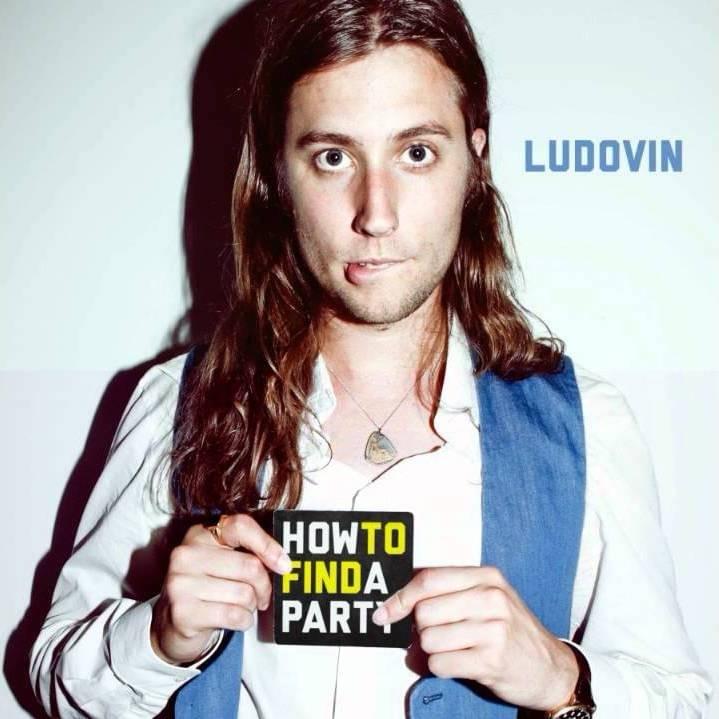
Ludwig Göransson's "How To Find A Party" isn't a literal instruction manual, but a gentle, almost meditative invitation to shed the anxieties of modern life. The lyrics function as a deprogramming sequence, a sonic detox from the digital noise that perpetually assaults our senses. Göransson isn't selling hedonism; he's offering a carefully curated space for genuine human connection. The opening lines, "Have second, take a minute please sit down and catch your breath / Put your iPhone on the table and fold up the armrest," immediately establish a sanctuary where technology is consciously surrendered. It's a deliberate act of disconnecting to reconnect. The folding of the armrest is a symbolic gesture of relaxing into oneself, preparing for a different kind of experience.
The song's genius lies in its understated simplicity. It's not a wild, ecstatic rave he's promising, but something far more intimate and perhaps more profound. "There's no tv or computers and no board games in this house / Just a cat and my friend pat who's still eating by himself" paints a picture of unpretentious normalcy. The focus isn't on manufactured excitement, but on the subtle joys of being present. Pat, eating alone, is a reminder that even in solitude, there's a quiet beauty. This isn't about escaping reality, but finding the party within it, the inherent rhythm of life that gets drowned out by the constant barrage of notifications and obligations.
Ultimately, "How To Find A Party" is about finding your way back to yourself. The countdown to midnight, "One more hour until midnight, till you hear the bells ring," isn't a build-up to some explosive climax, but a gentle urging to release inhibitions. The final lines, "Just relax and feel no pain and let the music hit your brain," are not an instruction to get wasted, but an invitation to surrender to the present moment, to allow music – perhaps Göransson's own – to be the guide, leading you away from the digital world and into a more authentic human experience. The song’s meaning resonates deeply in an age of hyper-connectivity, offering a blueprint for finding genuine joy in simplicity and presence.
 View Artist