Song Meaning
The lyrics paint a picture of intense, perhaps fleeting, connection, tinged with a sense of impending loss or self-destruction. The opening lines establish a mood of heightened awareness, where the narrator feels things deeply because the moment is precious and unrepeatable. There's an immediate attempt to connect, asking "How you doing?" and "What's being on your mind?", suggesting a desire to understand the other person's inner world before the shared experience dissolves.
The central tension revolves around control and responsibility within this relationship. Initially, the narrator pushes back, stating "Don't leave it up to me," yet simultaneously claims an intimate understanding: "I can feel it in your voice / I can even hear your heart." This implies a deep connection, but also a fear of being burdened. The chorus then shifts, with the narrator admitting, "I left it up to you," and a growing confusion about their own communication: "What the hell I'm trying to say." This exchange highlights a struggle over who holds the power and who will ultimately be responsible for the relationship's fate, with the repeated phrase "It's yours now to destroy" hanging heavy.
The bridge offers a brief escape into a shared "fantasy," where the other person's words are heard as harmonious. However, this is immediately contrasted with a return to "reality," where that same voice is "Slightly out of key." This sharp contrast underscores the fragility of their idealized connection, suggesting that the perceived harmony was an illusion. The final chorus brings a significant shift, with the narrator declaring, "It's mine now to destroy," reclaiming agency but also embracing a destructive potential, a stark turnaround from the initial plea.
This lyrical arc is effective because it captures the volatile nature of intense emotional states and relationships. The back-and-forth in the chorus, particularly the shift in who holds the power to "destroy," creates a compelling narrative of escalating stakes and emotional ambiguity. The final assertion of self-destruction, "It's mine now to destroy," coupled with the fading outro of "Mine now to..." and "Yours now to...", leaves the listener with a profound sense of unresolved conflict and the lingering echo of a connection that is both deeply felt and dangerously unstable.
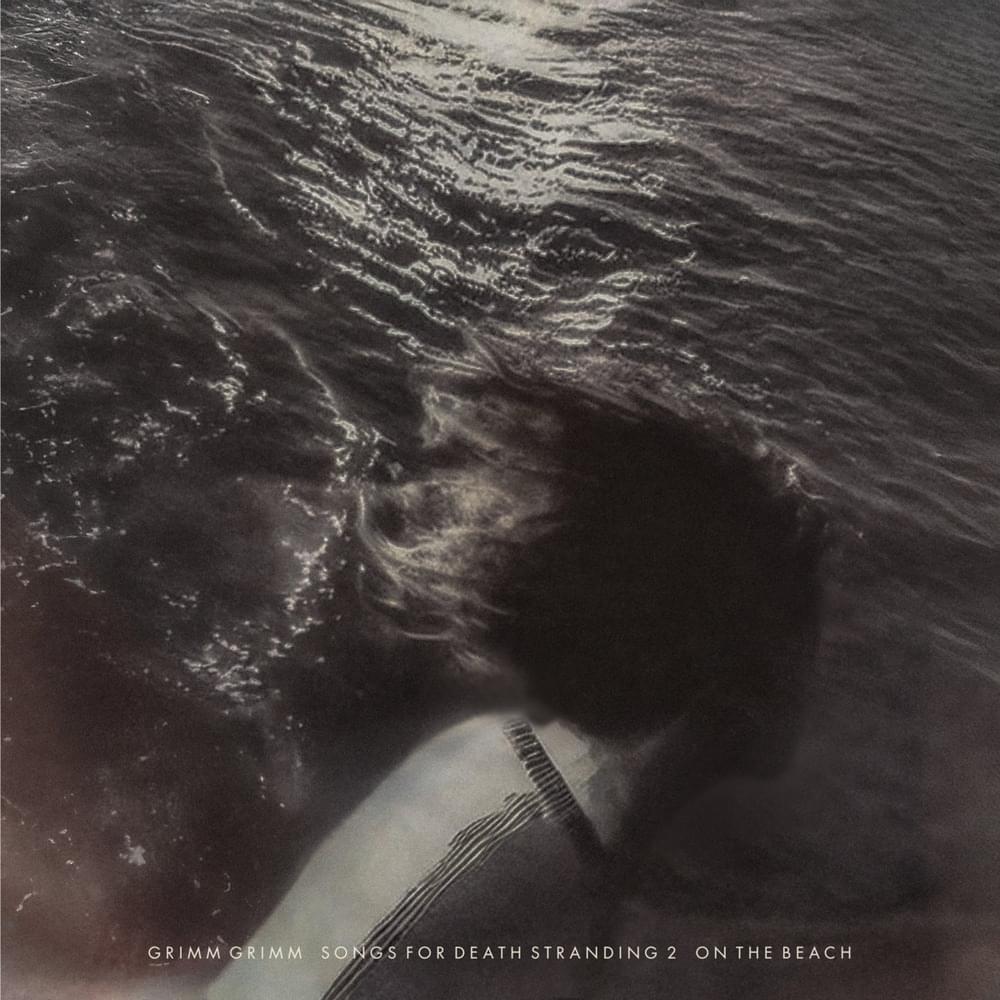
 View Artist