Song Meaning
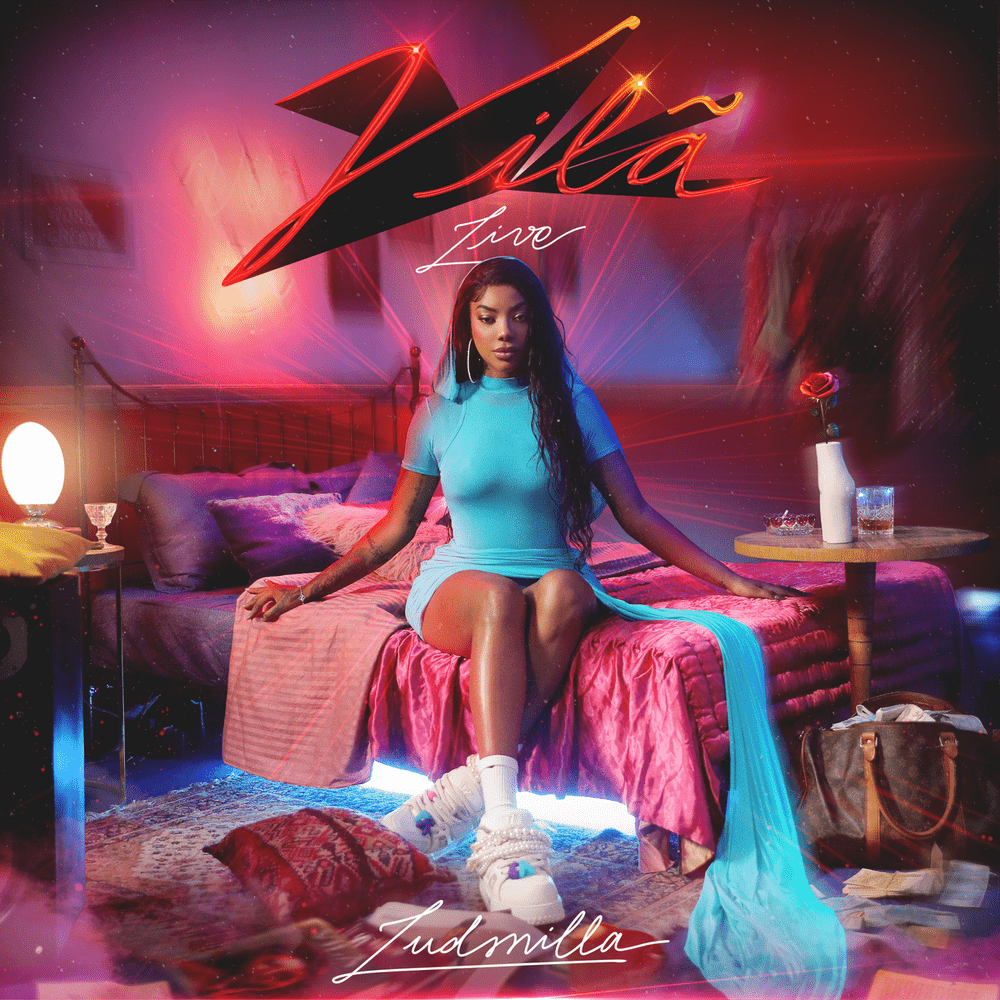
Ludmilla's raw, live performance of "Eu Só Sinto Raiva" isn't a subtle exploration of heartbreak; it's a primal scream. The track pulses with the singular, consuming emotion of rage – a righteous anger born from betrayal and wasted time. The lyrics analysis reveals a narrative stripped bare: the protagonist is done with romantic platitudes, fixated instead on the burning resentment towards an ex-lover whose "abilities" apparently lie in treachery and deceit. This isn't just sadness; it's the fury of realizing one's own vulnerability was exploited. The opening lines set the stage, rejecting the conventional tropes of love songs in favor of a brutal honesty about the pain inflicted.
The repetition of "E eu só sinto raiva" ("And I only feel rage") throughout the chorus isn't just a lyrical hook; it's a mantra. It underscores the obsessive nature of the emotion, a loop of anger that the singer is desperately trying to break. The lyrics expose the vulnerability beneath the rage: the regret for time wasted ("todo tempo que eu doei pra ti"), the self-reproach for neglecting self-care ("Deveria ter cuidado mais de mim"), and the initial lack of courage to stand alone. These admissions add depth to the song's meaning, transforming it from a simple expression of anger into a complex portrait of emotional recovery.
Despite the overwhelming negativity, "Eu Só Sinto Raiva (Live)" offers a glimmer of hope. The line "Mas enfim, eu consegui" ("But in the end, I managed") suggests a turning point, a hard-won victory over the emotional wreckage. Even as the singer admits to feeling foolish and haunted by memories ("Me sinto uma boba, todo tempo remoendo), the acknowledgement of progress is crucial. The rawness of the live recording only amplifies the song's emotional impact, making it a powerful anthem for anyone who has felt trapped by anger and is fighting their way towards self-empowerment. Ludmilla isn't just singing about rage; she's embodying the messy, complicated process of moving past it.
 View Artist