Song Meaning
The lyrics open with a profound declaration of devotion, even when the speaker feels utterly depleted. It's a raw moment of worship, acknowledging a deep connection to a divine figure despite a personal void. The immediate emotional texture is one of humble adoration mixed with a sense of internal emptiness.
A core tension emerges from the speaker's state of "nada há" contrasted with their unwavering commitment. The lyrics suggest a plea for divine intervention, a hope that faithfulness "na angústia" will unlock power to "me livrar, Me libertar, me restaurar." This highlights a struggle between present distress and anticipated renewal.
The sudden, powerful shift with "A alva já vem!" acts as a pivotal moment, transforming the narrative from plea to declaration. This imagery of dawn, followed by "Minha luz é o Senhor!", vividly portrays hope breaking through darkness. The subsequent declarations – "Nele eu tenho tudo, Nele eu sou completo" – use direct, affirming language to convey absolute fulfillment, contrasting sharply with the initial sense of lack.
The emotional impact culminates in the intimate metaphors of "meu tesouro, meu Jardim Secreto." These phrases don't just state value; they personalize it, suggesting a hidden, cherished, and deeply personal sanctuary. This craft choice makes the divine relationship feel uniquely precious and secure, offering a profound sense of peace and belonging to the listener.
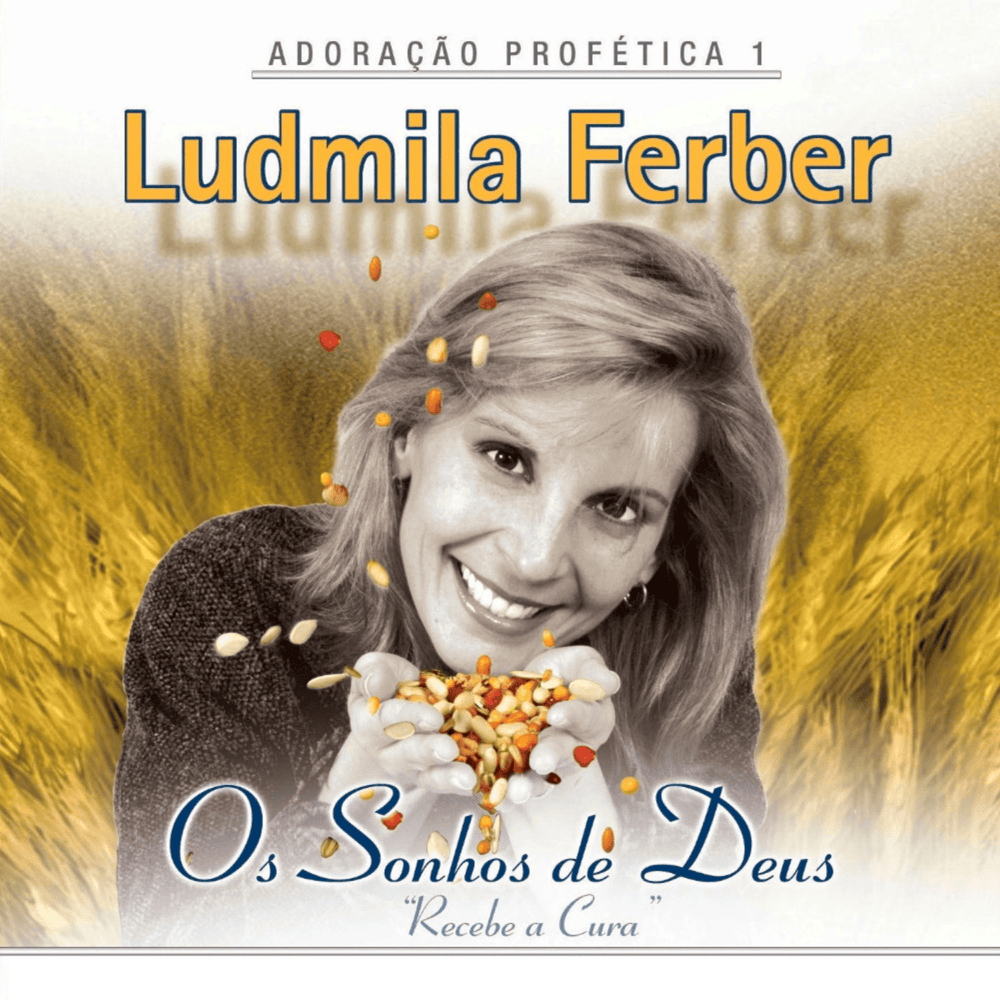
 View Artist