Song Meaning
The lyrics paint a stark contrast between a meticulously designed "engine of the year 2000" and the unknown nature of the "boy of the year 2000." The engine is envisioned as pristine: "beautiful and shiny," "fast and silent," with a "calibrated exhaust" and an "odor that doesn't pollute." It's a vision of technological perfection, so clean that even a child could breathe its exhaust. This idealized machine represents humanity's ability to engineer and control the material world, projecting a future of clean, efficient progress.
However, this technological foresight crumbles when applied to human understanding. The narrator admits, "Nobody yet knows how it will be, what it will do, / In reality, the boy of the year 2000." Despite our detailed knowledge of the engine, "we can't draw the heart / Of that young man of the future." This highlights a profound disconnect: our capacity for technical innovation far outstrips our comprehension of human nature and social realities, particularly for future generations.
The lyrics emphasize this ignorance with phrases like "we know little or nothing" and "we know nothing about the boy." He's depicted as "standing at the threshold waiting," trapped within a "ghetto of the year 2000." This imagery suggests a future where technological advancement has created new forms of confinement or social stratification, leaving the human element lost and unaddressed. The idealized engine becomes a hollow promise when the human it's meant to serve remains a complete mystery, confined and waiting.
Ultimately, the song's power lies in this poignant juxtaposition. It questions whether our focus on polished, controllable technology blinds us to the messier, more complex realities of human experience and societal development. The "shiny engine" is a testament to our engineering prowess, but the "boy in the ghetto" serves as a haunting reminder of what we fail to understand, design, or perhaps even care about in the future we're building.
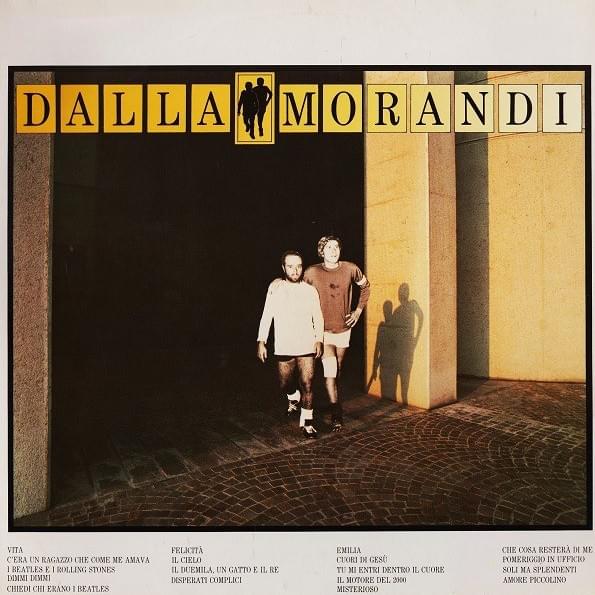
 View Artist