Song Meaning
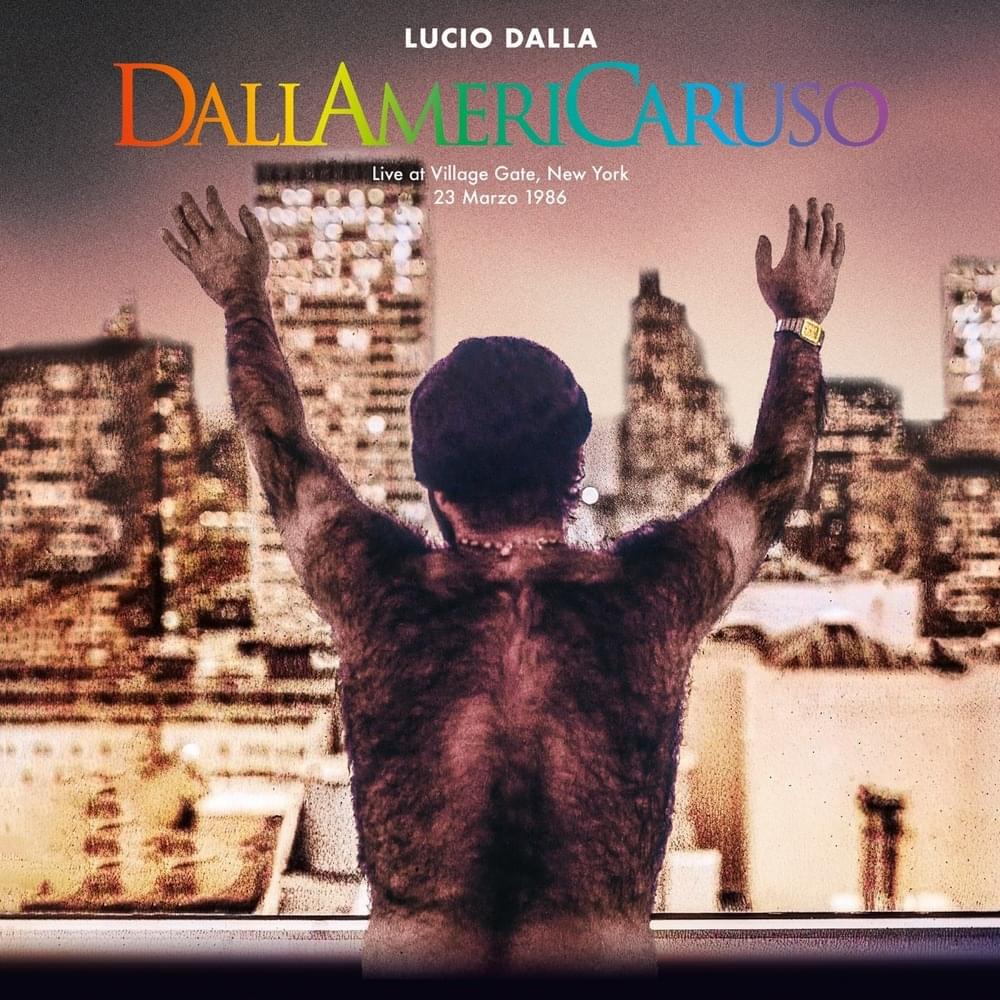
Lucio Dalla’s "4/3/1943," especially potent in this live rendition from the Village Gate, isn't merely a birthdate; it's a chronicle of origins shrouded in wartime ambiguity and the enduring power of maternal love. The song opens with the almost mythical figure of the narrator's father – a handsome man who "came from the sea," speaking a different language but fluent in the language of love. This immediately establishes a sense of displacement and the transient nature of connection against the backdrop of conflict. The brief, idyllic encounter with the narrator's mother, "the sweetest hour before being killed," underscores the brutal disruption of war, leaving behind a legacy of memory and identity. The father's foreignness also hints at the complexities of identity formation in the crucible of war, where national boundaries and personal histories become blurred. The song meaning revolves around the lasting impact of fleeting moments.
The mother's youth and vulnerability are central to the song’s emotional core. On her sixteenth birthday, she experiences a profound, life-altering event, and transforms tavern songs into lullabies, a testament to her resilience and the primal instinct to nurture. The narrator's name, bestowed upon him either "for game or for love," is a direct allusion to Jesus Christ, burdening him with a symbolic weight that he both embraces and rejects. The mother, in naming her child Jesus, is both reclaiming agency in a world that has stripped it from her and imbuing her child with a hope for redemption. She "played Madonna with the baby to swaddle", elevating her own situation to a nearly holy status. The lyrics analysis reveals Dalla exploring not just personal history, but the archetypal roles women are forced to play.
This tension between the sacred and the profane defines the narrator's adult identity. He blasphemes and drinks wine, yet remains "Jesus Child" to thieves and prostitutes. This juxtaposition suggests a rejection of traditional religious piety in favor of a more humanistic understanding of compassion and acceptance. He exists in the margins, among those deemed unworthy by society, yet he carries within him the echo of a divine name. The song refuses simple moral judgements, instead presenting a complex portrait of a man grappling with his past, his identity, and his place in a world marked by both beauty and brutality. Dalla's genius lies in his ability to weave together personal narrative, historical context, and religious symbolism into a poignant and unforgettable song.
 View Artist