Song Meaning
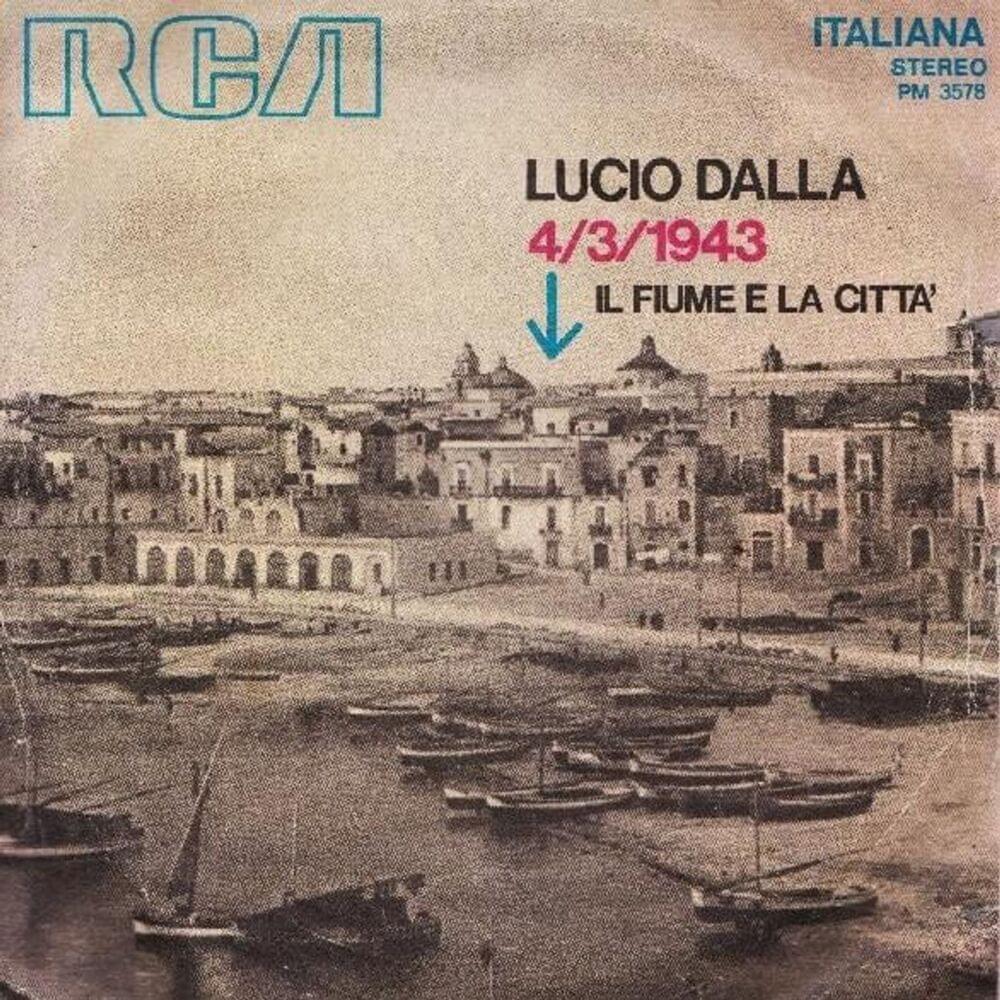
Lucio Dalla's "4/3/1943" isn't merely a date; it's a birth certificate steeped in ambiguity, loss, and a mother's defiant love. The song's impact lies in its understated narrative, a story delivered with the casual intimacy of a fireside tale, yet resonating with profound emotional depth. The opening lines paint a picture of a foreign soldier, a fleeting figure of romance met with brutal violence, leaving behind a pregnant young woman in a portside town. This initial act of violence casts a long shadow, shaping the protagonist's identity from the outset. The mother's youth and the circumstances of conception are not romanticized; instead, they highlight her resilience and the unconventional nature of her love. She names her son after "Nostro Signore," a poignant act that simultaneously acknowledges the circumstances of his birth and imbues him with a sense of grace, perhaps even absolution. This choice speaks volumes about her desire to reclaim agency in a world that has dealt her a harsh hand.
The power of "4/3/1943" resides in its exploration of identity and belonging, specifically through the lens of the protagonist's name. He is forever marked by his mother's choice, a constant reminder of his origins and the events that shaped his existence. The repetition of "E ancora adesso che gioco a carte e bevo vino / Per la gente del porto mi chiamo Gesù Bambino" underscores the enduring weight of this identity. It's not just a name; it's a label, a story etched onto his being that dictates how he is perceived by the community. The act of playing cards and drinking wine suggests a life lived on the margins, a conscious embrace of his outsider status. The name, initially a symbol of hope and love, becomes intertwined with the realities of his adult life, a complex and bittersweet inheritance.
Ultimately, Dalla's "4/3/1943" is a masterclass in subtle storytelling. It examines themes of love, loss, and the search for identity within a society that often marginalizes those who don't fit neatly into established norms. The song doesn't offer easy answers or sentimental resolutions. Instead, it presents a raw, honest portrait of a life shaped by circumstance and defined by the enduring power of a mother's love, a love that transcends societal expectations and leaves an indelible mark on her son's soul. The lingering question is whether the protagonist finds solace or resentment in his given name, a question Dalla leaves open to interpretation, allowing the listener to grapple with the complexities of his existence.
 View Artist